Pon-Ye-Gyi: A Closer Look at Burma’s Fermented Black Beans and Dips
How fermented black beans and house-made dips shape the Burmese way of eating.
by
Team Burma Burma
In India, a meal often arrives with familiar condiments like, pickles, sliced onions and maybe a wedge of lemon on the side. They are small touches, but they complete and elevate the plate.
In Burma, their tables share a similar story, just with different flavours. Instead of pickles, you find bold, punchy dips that offer discovery with every bite.
At the heart of this tradition sits a deeply loved fermented paste made with Fermented Black Beans that shapes Burmese cooking in quiet but powerful ways.
Fermented Black Beans in Burmese Cooking:
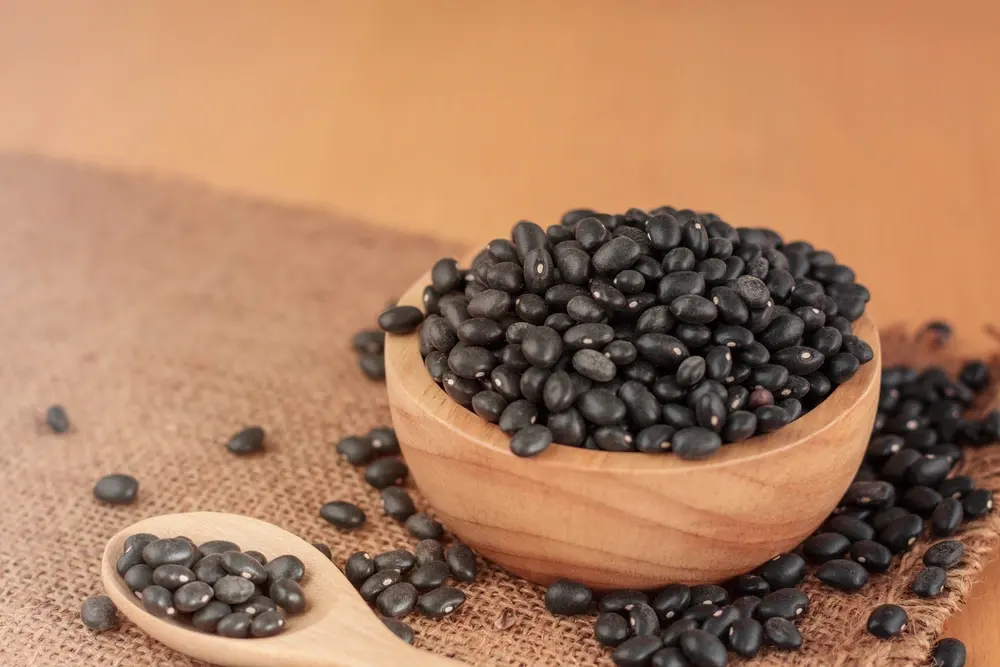
Fermentation plays a gentle yet essential role in Burmese cuisine. Influenced by neighbouring culture, including Chinese cooking, fermented soybeans find their way into everyday meals, adding depth.
This love for fermented black beans takes its most iconic form in pon-ye-gyi. Known especially in Mandalay, this rich paste brings together salt, tang and umami in one unmistakable spoonful.
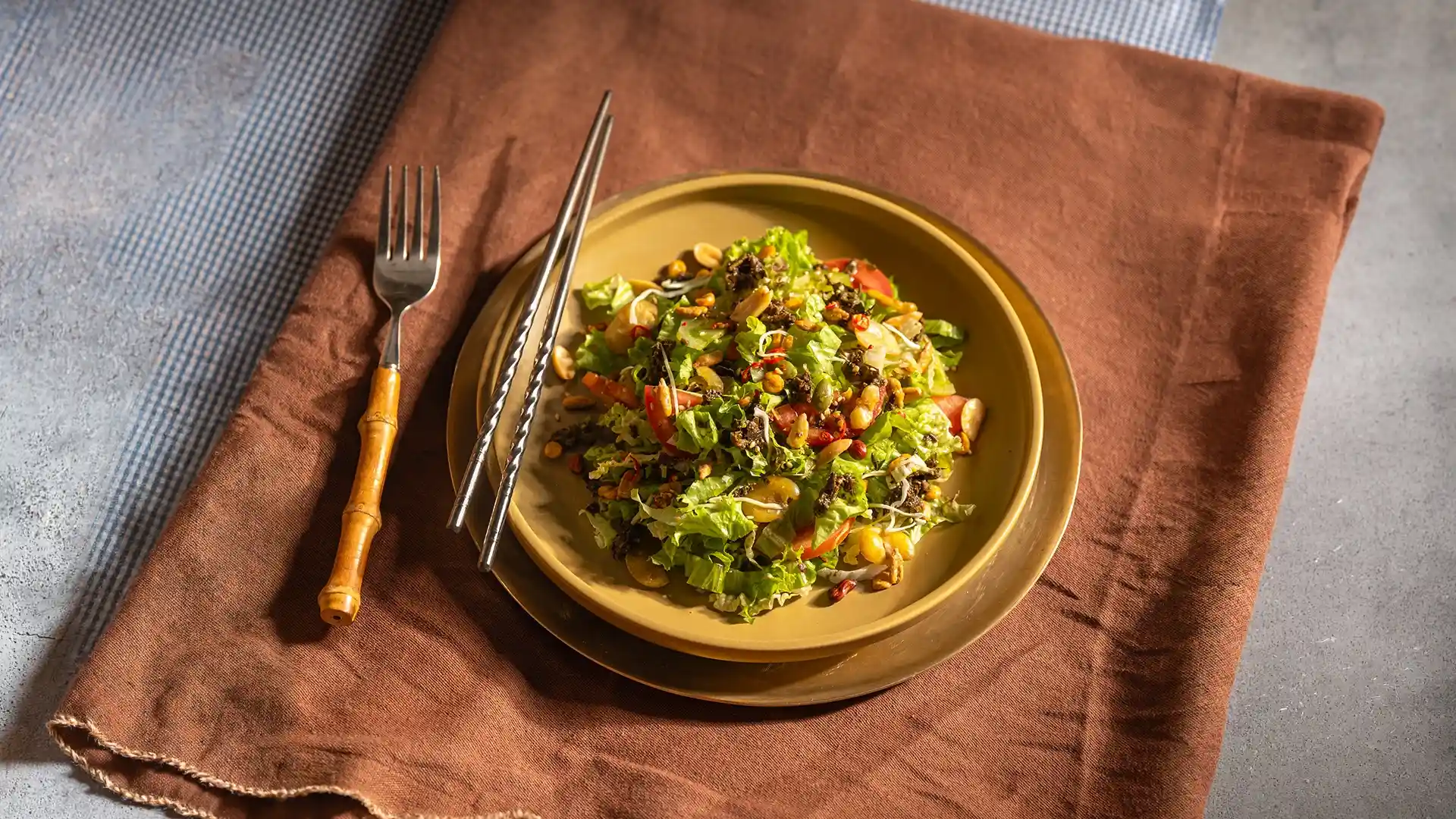
Used as a condiment rather than the star, pon-ye-gyi elevates what it touches. It is mixed into rice, paired with flatbreads or served alongside everyday dishes, always present and never overpowering.
Much like Indian meals feel incomplete without their sides, Burmese food embraces an assortment of dips served together. Each one adds a different note, spicy, sour, smoky or deeply savoury.
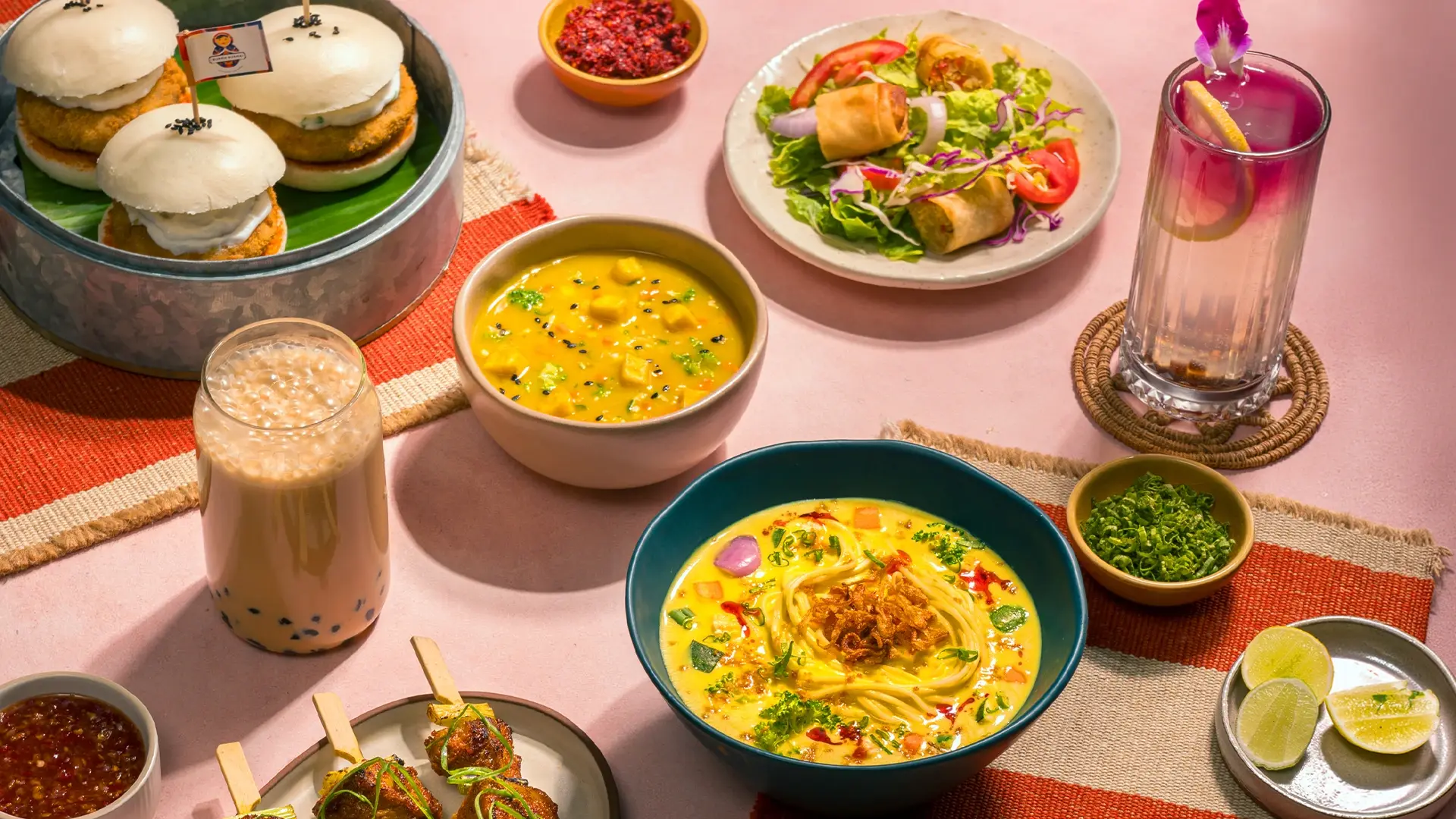
At Burma Burma, this ritual comes alive through four house-made dips, prepared in-house and served as an essential part of the experience.
Meet our Four Signature Dips
Roasted Chilli
Smoky, gentle, sweet and warming. This dip balances heat with depth, making it easy to keep coming back for one more bite.
Tamarind Garlic
Tangy and aromatic, this one plays with sourness and spice. It cuts through richness and brightens the flavours.
Tangy Roselle
Vibrant and refreshing, this dip stands out for its tart, almost fruity edge. It is lively, unexpected, and a clear guest favourite.
Fermented Black Bean
Our take on Pon-ye-gyi, bold, savoury and deeply comforting. This dip carries the soul of Burmese fermentation and remains one of the most-loved flavours at the table.
Made to be Mixed, Shared and Loved
These dips are meant to be explored freely. Dip, drizzle, mix, repeat.
They pair beautifully with our Bao Buns, add character to Fried Rice and hit the spot with warm Palatas. But they do not stop there. They quietly enhance almost everything on the table.
Just like pickles at home, you soon find yourself reaching for them without thinking.
These four dips may arrive in small bowls, but they carry centuries of flavour, migration and everyday Burmese life. They reflect how food in Burma is shared, layered and full of personality.
At Burma Burma, they are not an add-on. They are an invitation to taste, mix and experience Burmese cuisine the way it is meant to be enjoyed.
FAQs
1. What are fermented black beans in Burmese cuisine?
Fermented black beans in Burmese cuisine refer to soybeans that have been naturally fermented to develop deep umami flavour, saltiness and mild tang. This fermentation process enhances both taste and digestibility. Influenced by regional food cultures, fermented soybeans are widely used across Burma in condiments, dips and everyday dishes, adding depth without overpowering the main ingredients.
2. How is pon-ye-gyi made?
Pon-ye-gyi is made by fermenting soybeans over time until they develop a rich, paste-like consistency. The beans are cooked, fermented and aged to intensify their savoury notes. The result is a thick, dark paste that balances salt, tang and umami. Traditionally popular in Mandalay, pon-ye-gyi is used as a base for dips, mixed into rice or served as a flavour-enhancing condiment in Burmese meals.
3. Why is fermentation important in Burmese food?
Fermentation plays an essential role in Burmese cooking by adding complexity, preserving ingredients and building layered flavours. From laphet( fermented tea leaves) to fermented black beans like pon-ye-gyi, these elements bring acidity, depth and umami to the table. Burmese meals often feature a variety of fermented condiments and dips that create balance across spicy, sour and savoury notes.
4. What are traditional Burmese dips made from?
Traditional Burmese dips are made from ingredients such as fermented black beans, chillies, garlic, tamarind, roselle, and other local produce. Many of these dips rely on fermentation or slow preparation to develop bold, punchy flavours. Served alongside rice, breads and curries, Burmese dips are meant to be mixed and matched, offering contrast, brightness and savouriness in every bite.