The Untold Stories Of Traditional Burmese Cuisine, Retold
When Modern Burmese Restaurants Celebrate Traditional Burmese Cuisine
by
Team Burma Burma
Cuisines that continue evolving without forgetting where they came from become unforgettable.
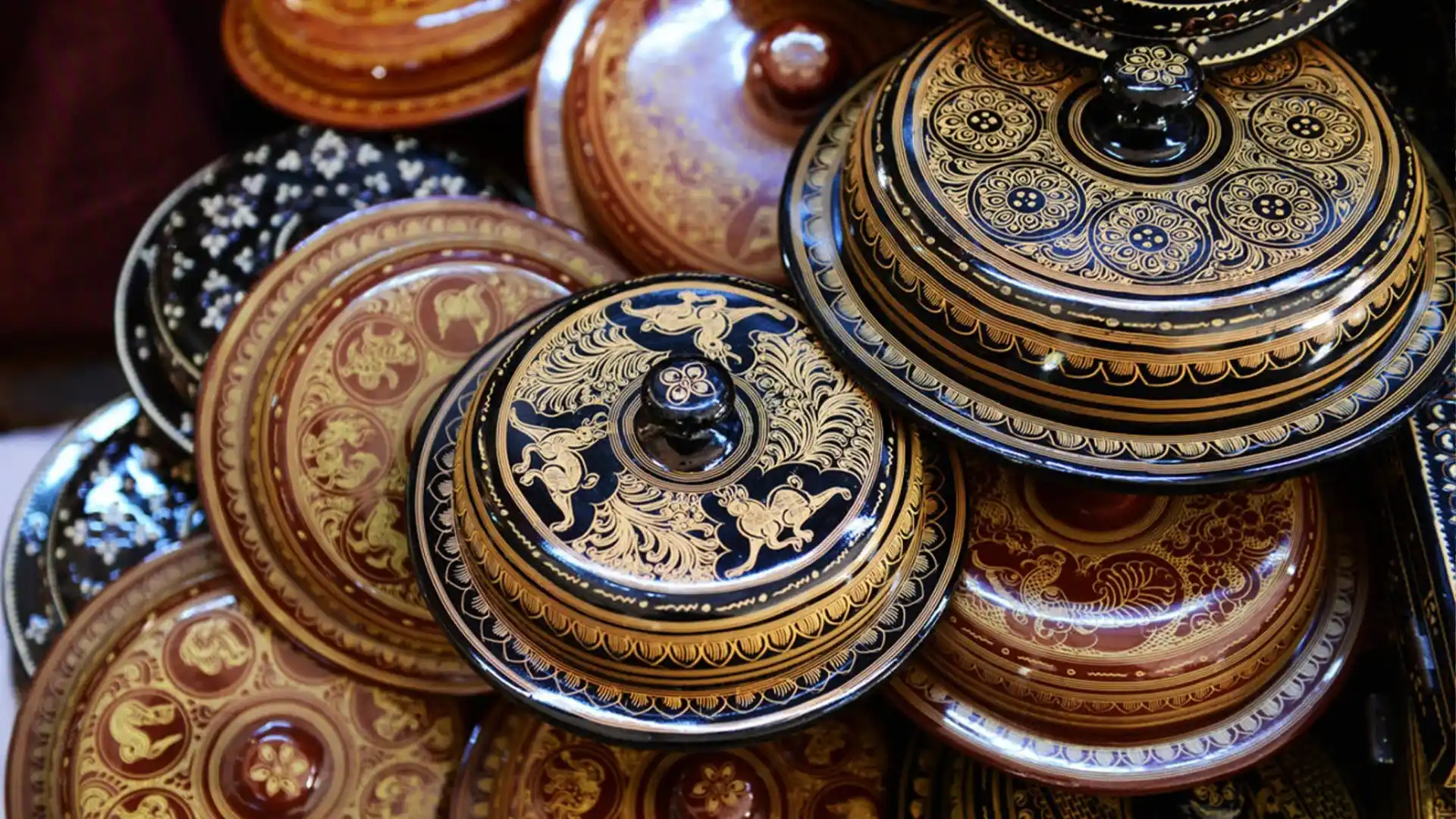
Rooted in centuries of tradition yet naturally open to reinterpretation, the food of Burma carries stories of street markets, family kitchens, tea houses and regional influences that have shaped its identity over generations. It is layered, vibrant, deeply connected to culture and yet very easy to get experimental with.
At Burma Burma, this balance between tradition and modernity shapes the way we approach our menu. Some recipes stay close to the flavours and techniques that have existed for decades. Others take familiar Burmese ingredients and present them in entirely new ways. And somewhere between the two lies the experience we want to create: one where Burmese cuisine feels both authentic and excitingly contemporary.
Burmese Cuisine Over The Centuries
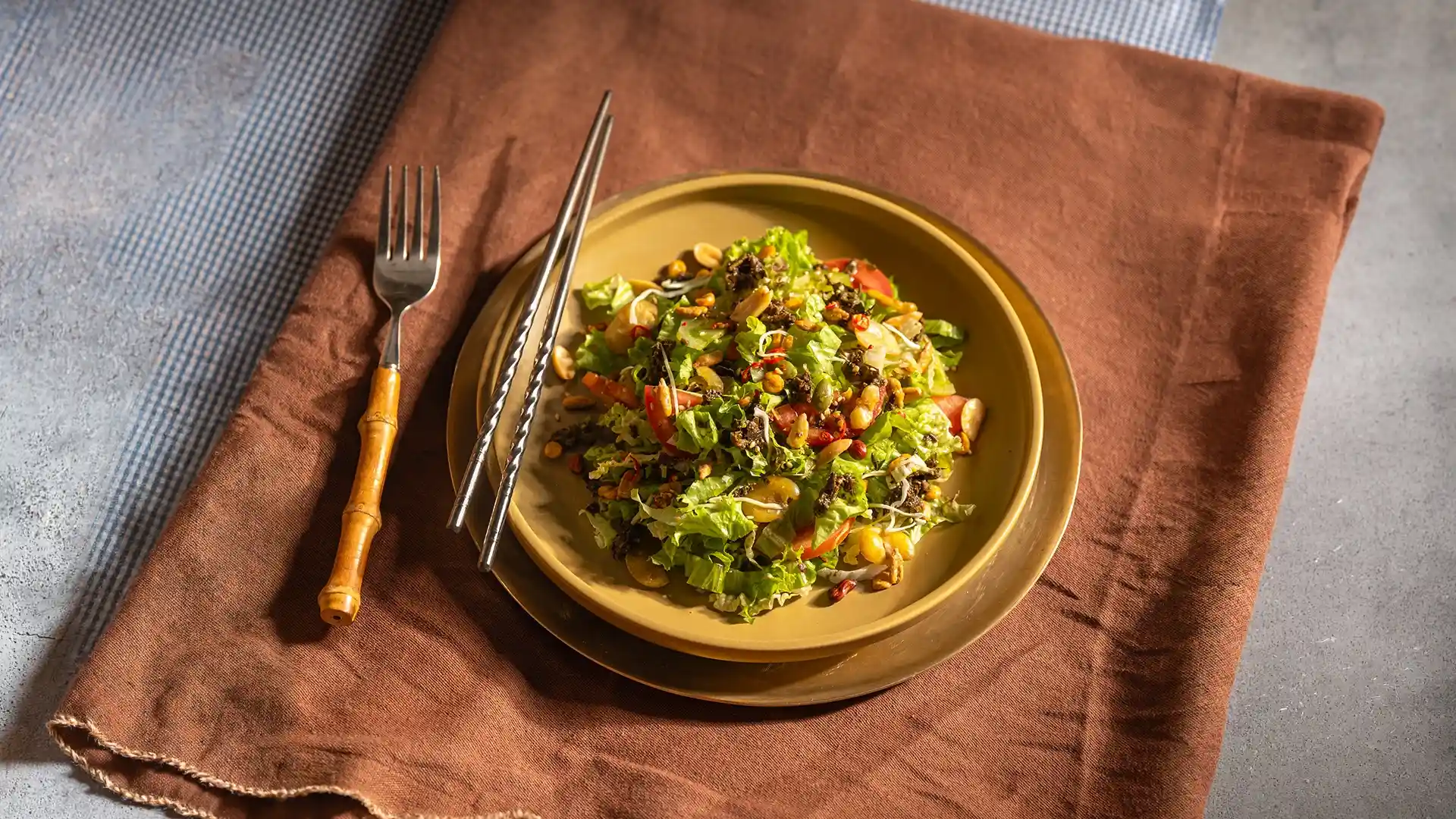
Burmese food can feel incredibly simple at first glance. With bowls of noodles, rice-based meals, salads tossed together with crunchy toppings and tea-shop snacks served fresh throughout the day, it tends to evoke comfort very naturally. But behind every dish lies an intricate balance of flavour, texture and technique.
Most of the dishes are a mix of multiple ingredients. Every bite has a nuanced balance of sweet, spicy, salty, sour and acidic flavours. The relationship between balance and contrast is the pillar of Burmese cuisine. Fresh herbs, fruits and vegetables are prioritised and direct the eating patterns. Fermented ingredients add an umami depth, toasted nuts bring texture, tamarind brings in brightness and crunchy vegetables add freshness. Whether its soups, salads, street-side snacks, drinks or desserts, all reflect this philosophy.
A Cuisine Influenced By Movement
Positioned right at the centre of major South-Asian countries, Burma developed a culinary language shaped by migration, trade routes and shared ingredients. You can see this in their use of ingredients, techniques and eating patterns. But Burmese food never feels borrowed. It transforms influences into something entirely its own. Perhaps that is why Burmese cuisine adapts so naturally to modern interpretations today. It has always been evolving.
Modern Burmese Cuisine: Familiar Flavours, New Expressions
Modern Burmese cuisine reimagines tradition. In Burma, contemporary restaurants and chefs have been taking local ingredients and presenting them through new textures, plating styles and dining experiences.
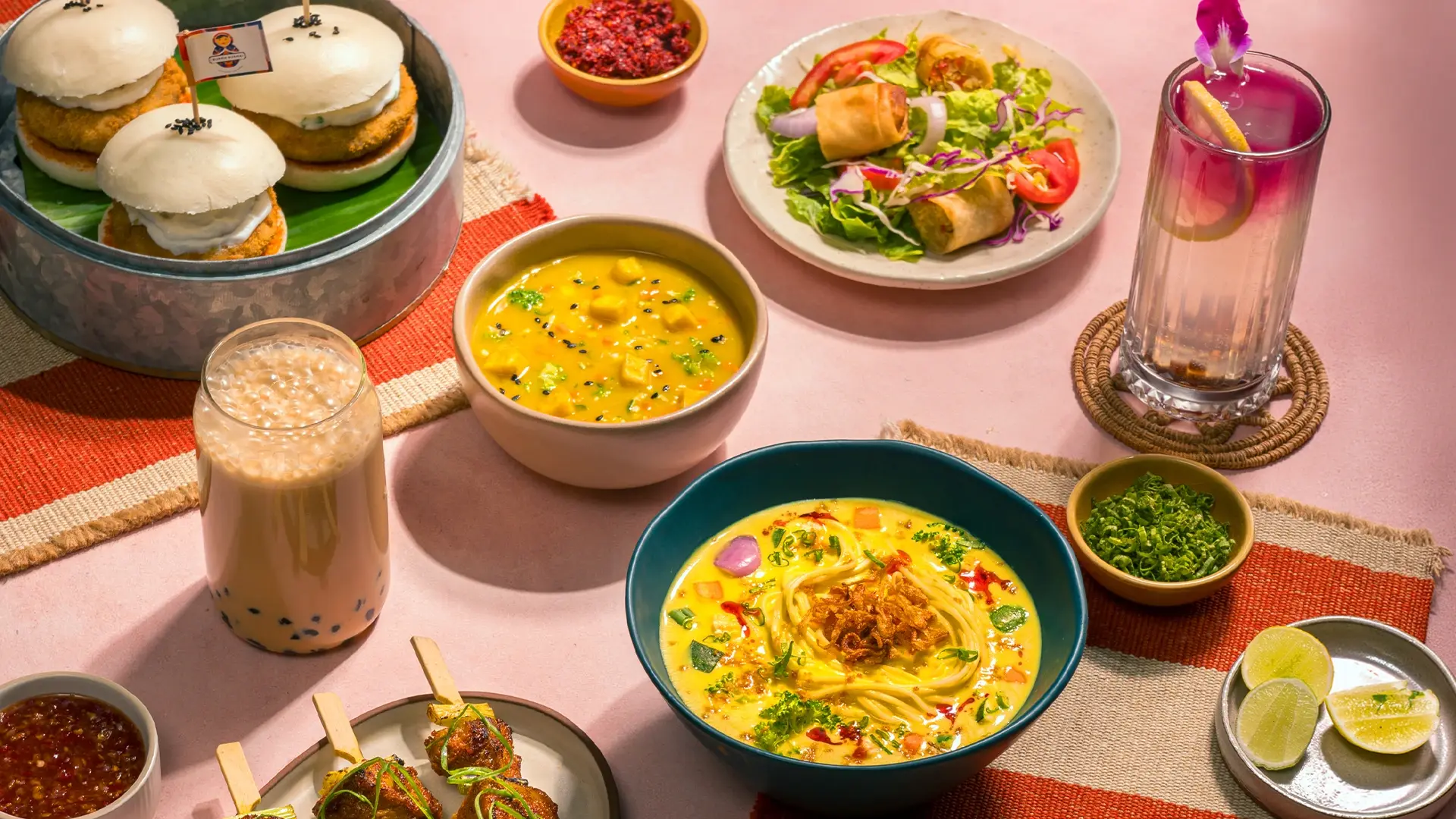
At Burma Burma, we celebrate and carry forward this evolution. We want to introduce India to the old, new and evolving cuisine of Burma, and we keep this as a benchmark every time we add something new to our menu. Some dishes on our menu stay rooted in local flavours and formats, allowing guests to experience Burmese food in its most comforting form. Others introduce unexpected combinations that reflect how dynamic Burmese ingredients can truly be.
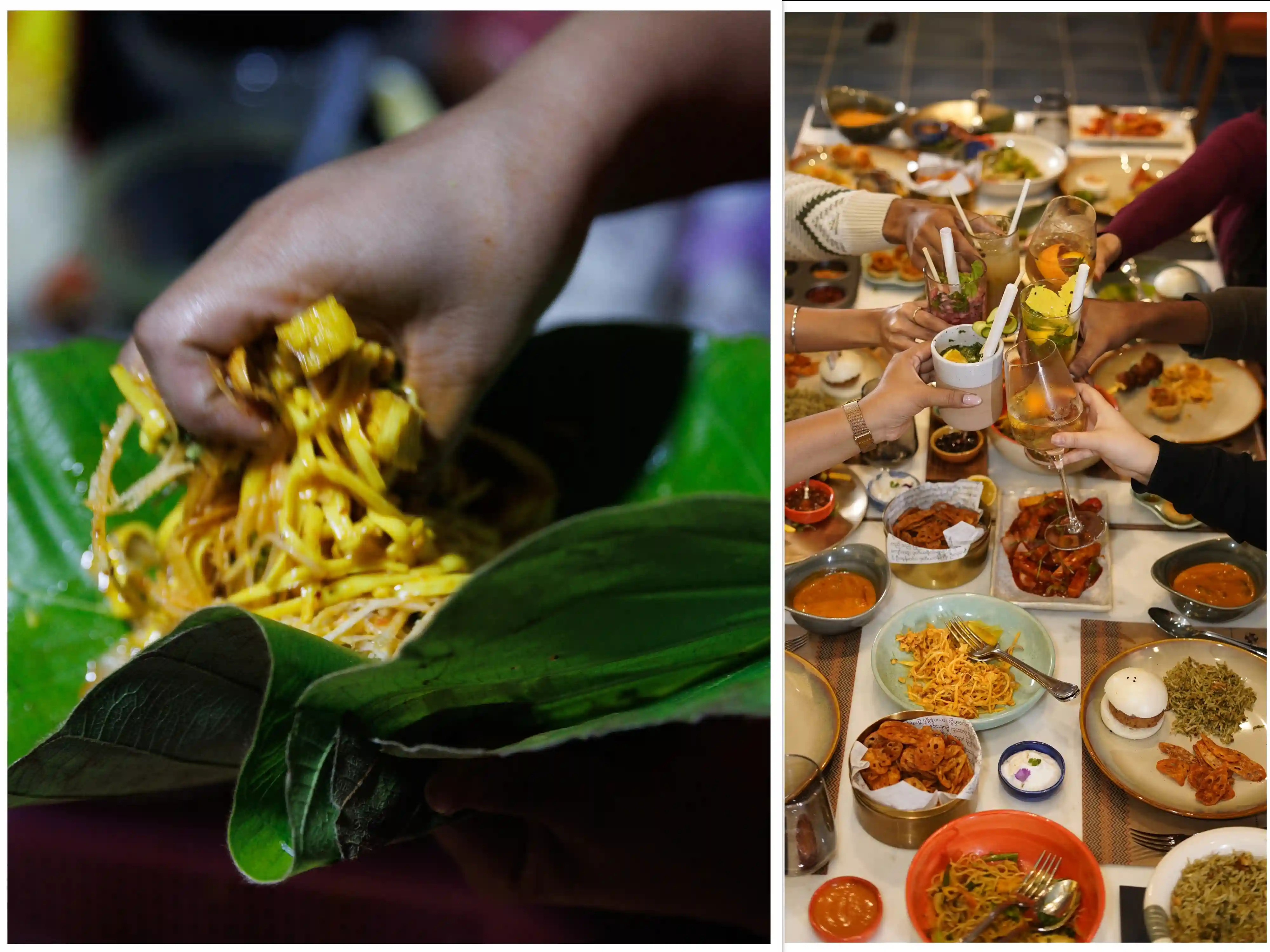
We honestly feel that traditional and modern cuisine belong to the same table. Traditional dishes preserve memory, culture and authenticity. Modern interpretations create curiosity and conversation. One connects you to where the cuisine comes from. The other reminds you that cuisine is always alive.
This is why a meal at Burma Burma can move from comforting noodle bowls and tea-leaf-inspired flavours to desserts with coconut smoke, honey caviar or caramelised chocolate.
A Cuisine Still Waiting To Be Explored
Burmese cuisine still feels wonderfully undiscovered in India. There is space to preserve traditions while also pushing boundaries. There is room for tea-house nostalgia alongside modern plating. There is curiosity around flavours that feel both familiar and entirely new. At Burma Burma, we see this as an opportunity not only to serve food but to build a deeper appreciation for Burmese culture itself.
And that is what we hope guests leave with, not just a meal, but the feeling of having experienced a cuisine that honours its past while bringing it to a contemporary setting.