Modernising Burmese Cuisine: Keeping Tradition Alive, One New Idea at a Time
How we reinterpret Burmese classics while staying rooted in the flavours, stories and traditions that inspired them.
by
Team Burma Burma
How we reinterpret Burmese classics while staying rooted in the flavours, stories and traditions that inspired them.
Cuisine is never truly still. It travels with people, crosses borders, absorbs new influences and changes with every generation that cooks it. What we call traditional today was once someone’s new idea. Burmese cuisine is a beautiful example of this. Shaped by Burma’s geography and its connections with all its neighbouring countries, Burmese food has always been a meeting point of cultures. You can see it in the noodles, breads, pickles, curries and teas that have travelled across borders and found a new identity in Burma.
So when we talk about modernising Burmese cuisine, we aren’t talking about changing what makes it Burmese. We’re talking about continuing something that Burmese cooks have been doing for generations: taking what they know, looking at what surrounds them and finding new ways to bring it to the table.
A Cuisine Built on Curiosity
Burmese cuisine is often described through its contrasts. Sour meets salty. Crunch meets softness. Fermented flavours meet fresh herbs. A simple bowl of noodles can carry influences from several different cultures, yet still taste unmistakably Burmese. Much of this comes from Burma’s place on the map.
Its borders connect it to countries with rich cultures, while centuries of trade and migration have brought people, ingredients and ideas into the country. Over time, these influences became part of everyday Burmese cooking; not as copies of the cuisines they came from, but as something distinctly Burmese.
Take Palata, for example. The flaky flatbread has clear connections to South Asian breads, but in Burma, it found a life of its own. It became a beloved tea shop staple, pulled apart by hand and eaten with curries, lentils or simply enjoyed as a snack. Then there is PaukSe, the soft, pillowy steamed bun that reflects Burma’s East Asian connections. Neither is simply an imported dish anymore but Burmese to their very core.
And that’s what makes Burmese cuisine so exciting to reinterpret.
Tradition Isn’t About Keeping Things Frozen
There is often an assumption that respecting a cuisine means reproducing it exactly as it has always been made. But food traditions have never really worked that way. Recipes change depending on the ingredients available, the person cooking them, the region they’re from and even the occasion they’re being served for. A grandmother’s version might look different from a tea shop’s version. A dish served in Yangon might not taste exactly like one found in Shan State.
The tradition lives in the idea, the technique and the flavours and not necessarily in every single detail. That gives us room to play. At Burma Burma, modernising Burmese cuisine means taking these familiar foundations and asking a simple question: What could this become today?
From Tea Shop Classics to New Favourites
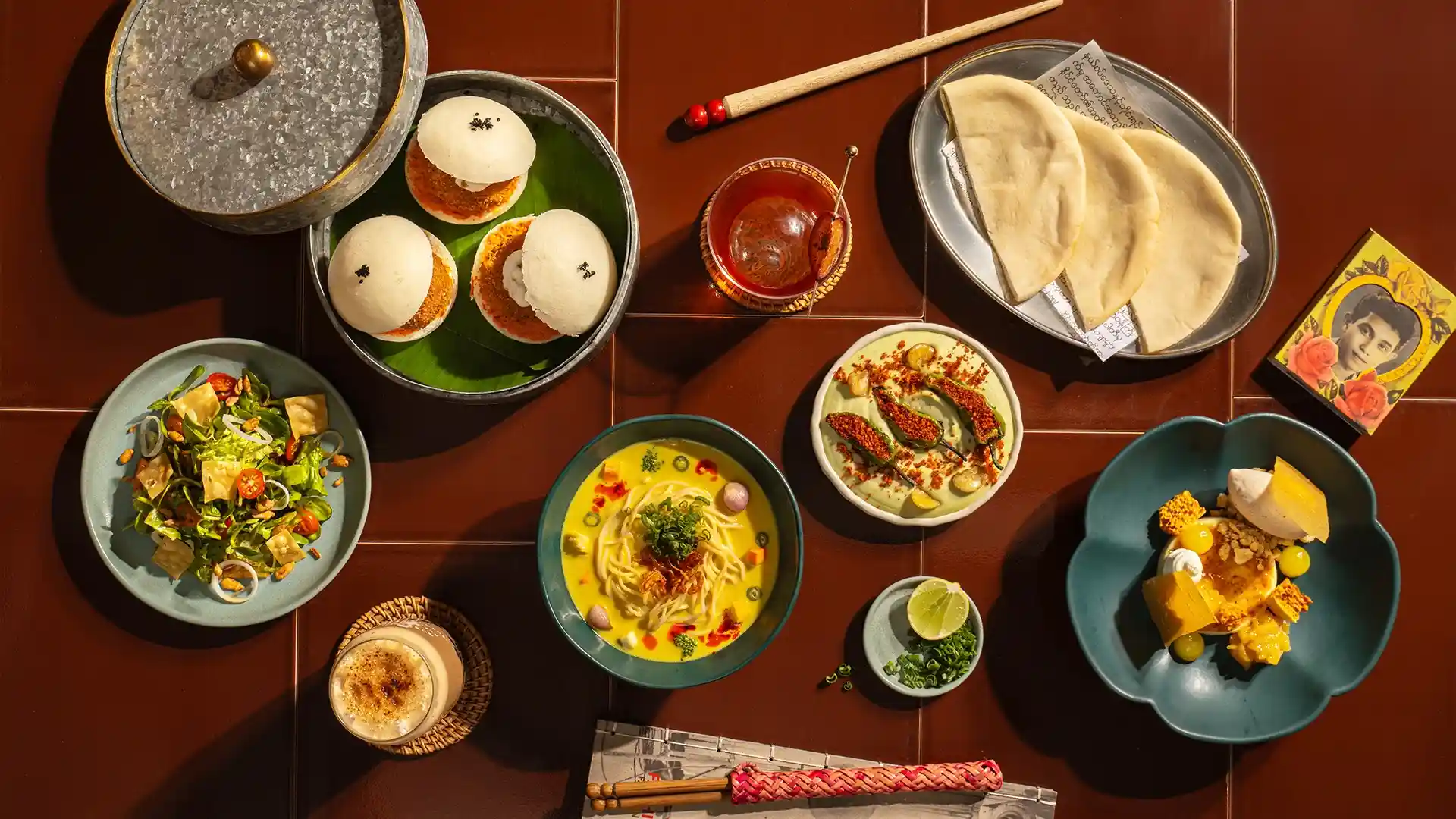
Our Windows to Burma: PaukSe & Palata menu was born from exactly this thought. PaukSe and Palata are very popular in Burma. They belong to the everyday rhythm of tea shops, where food is meant to be shared, conversations stretch over cups of tea and a quick bite can easily turn into an afternoon.
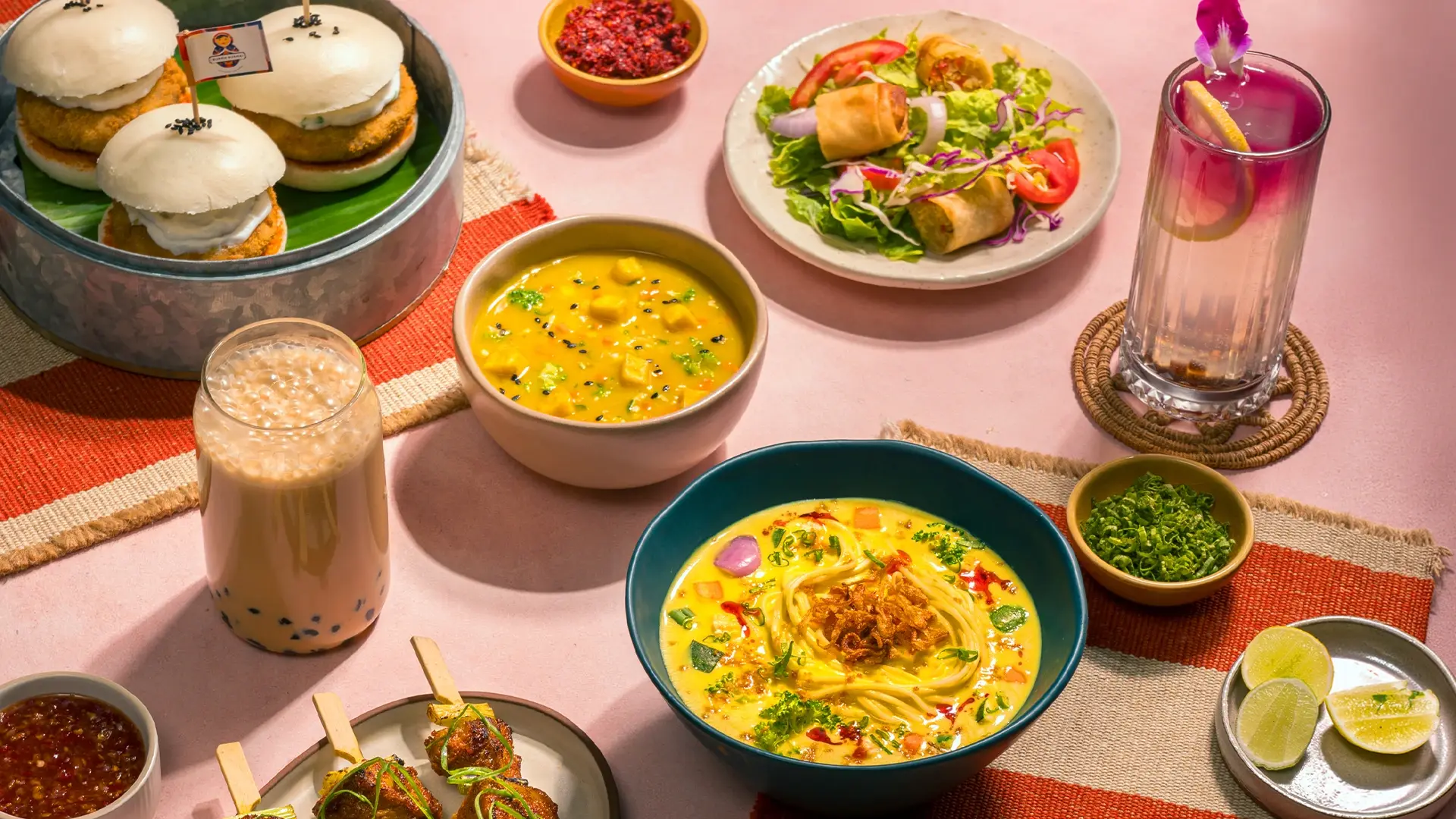
We wanted to bring that feeling to our tables while looking at these classics through a contemporary lens. So the humble PaukSe became a PaukSe Burger, pairing its soft, pillowy texture with a crisp corn patty.
Palata became the foundation for our Palata Sando, bringing together its flaky layers with an edamame and water chestnut patty. Also on the menu was the OG Burmese Taco, a playful meeting of a familiar street-food format with the flavours of Burmese Palata and richly seasoned plant-based mince. None of these interpretations is meant to replace the originals. They’re simply new ways of experiencing them.
The Flavours Stay at the Heart of It
Modernisation can change the format of a dish, but for us, the flavour has to remain. The fluffiness of our PaukSe, the flaky layers of Palata, the comforting lentil and potato curries served alongside it and the pulled teas that are inseparable from Burmese tea shop culture.
This is why a modern Burmese dish doesn’t necessarily have to look like something you’d find in a tea shop in Yangon. It can take the shape of a sandwich, a taco or a dessert while still carrying the flavours and memories of where it came from. The form can change while the story stays.
Looking Back to Move Forward
One of the most exciting things about working with a cuisine as layered as Burmese food is that there is always more to discover. Every trip to Burma gives us something new to bring home: a dish we’ve never tried, an ingredient we’ve overlooked, a way of eating we’ve never seen or a tea shop snack that stays with us long after we’ve left.
And then the process begins again. We learn, taste, question and experiment until we create something that feels both comforting yet surprising. Sometimes the result is a faithful recreation of something we’ve encountered. Sometimes it becomes something entirely new.
There’s place for both at our table because modernising Burmese is all about giving those traditions new ways to be discovered.
A New Chapter for Burmese Food
Burmese cuisine has travelled a long way to reach where it is today. From neighbouring countries and distant trade routes to family kitchens and bustling tea shops, it has constantly evolved while retaining its own distinct identity.
We see ourselves as part of that ongoing story. Every new dish is an opportunity to introduce someone to a Burmese flavour they may never have encountered before. And sometimes, the best way to make someone curious about a cuisine is to show them something familiar in an entirely new way. A flaky Palata can become a sando or a steamed PaukSe can become a burger. A tea shop classic can find a new place on the modern table and perhaps that’s the most exciting thing about rich cuisines: they don’t have to stay the same to stay alive.