Monsoon In Burma: Buzzing Tea Shops & The Art Of Slowing Down
How rain transforms life, food and tea culture in Burma
by
Team Burma Burma
In Burma, the monsoon arrives with sudden downpours and the familiar rhythm of raindrops drumming against the rooftops. Streets glisten and cool down, trees seem greener and fresher overnight, and the air carries that unmistakable scent of petrichor.
Monsoon brings with it a reason to pause and savour the moment, and when it does come, there is often a cup of tea waiting with some steaming hot snacks on the side.
Shades of Monsoon In Burma
The rains nourish farms, fill rivers and transform the countryside into endless shades of green. Across cities, towns and villages, daily routines begin to shift with the season.
People naturally spend more time indoors, taking shelter from passing showers. Journeys are planned around the weather and afternoons get shorter.
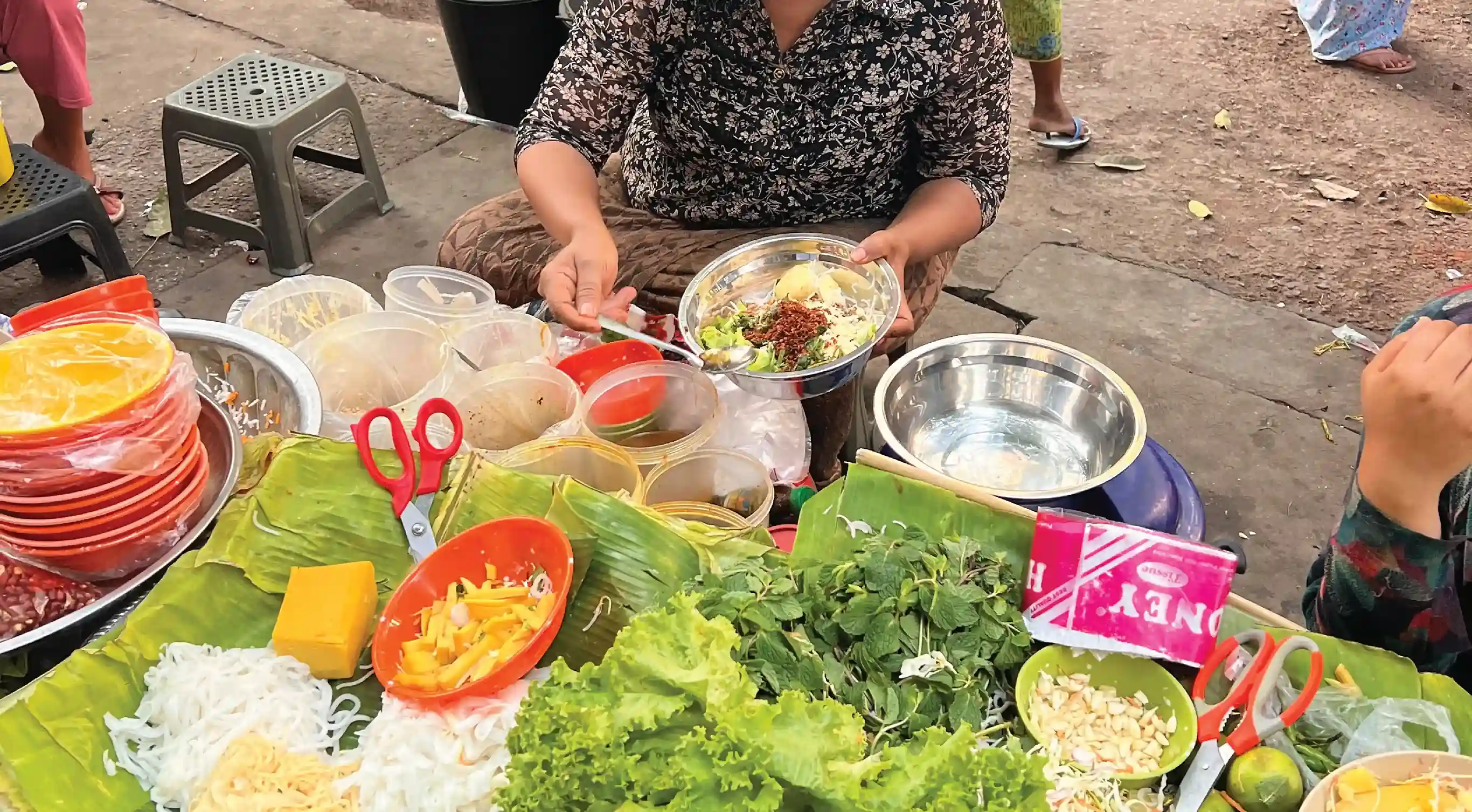
The markets also change with the season. Fresh seasonal produce arrives in abundance before and during the rains. Market stalls are lined with vegetables, herbs and lentils, adding bright, vibrant colours to the otherwise grey atmosphere. Vendors call out to customers while the scent of rain-soaked earth mingles with the aroma of freshly prepared snacks.
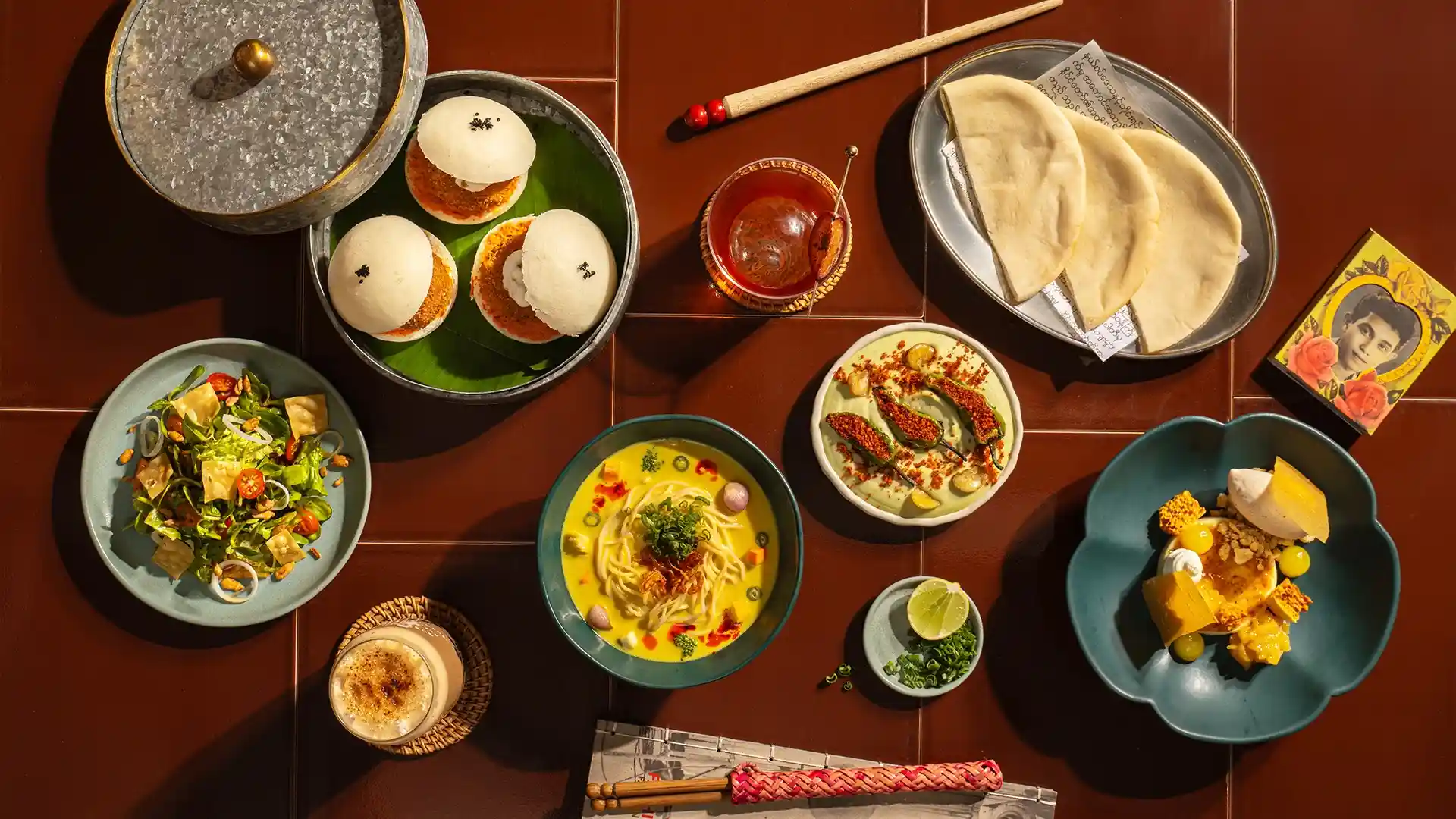
The monsoon also changes what's on the table. Light salads and quick bites often give way to warm bowls of noodles, hearty rice dishes and comforting soups. Tea-time becomes a daily ritual, with people gathering around cups of tea accompanied by freshly fried savouries and sweet treats as the days get damper. Tea shops get busier as one cup of steaming hot pulled tea follows another and conversations stretch longer. The aroma of freshly fried snacks wafts all over the marketplace, pulling more people inside.
Burmese Tea Shops: The Heartbeat of the Neighbourhood
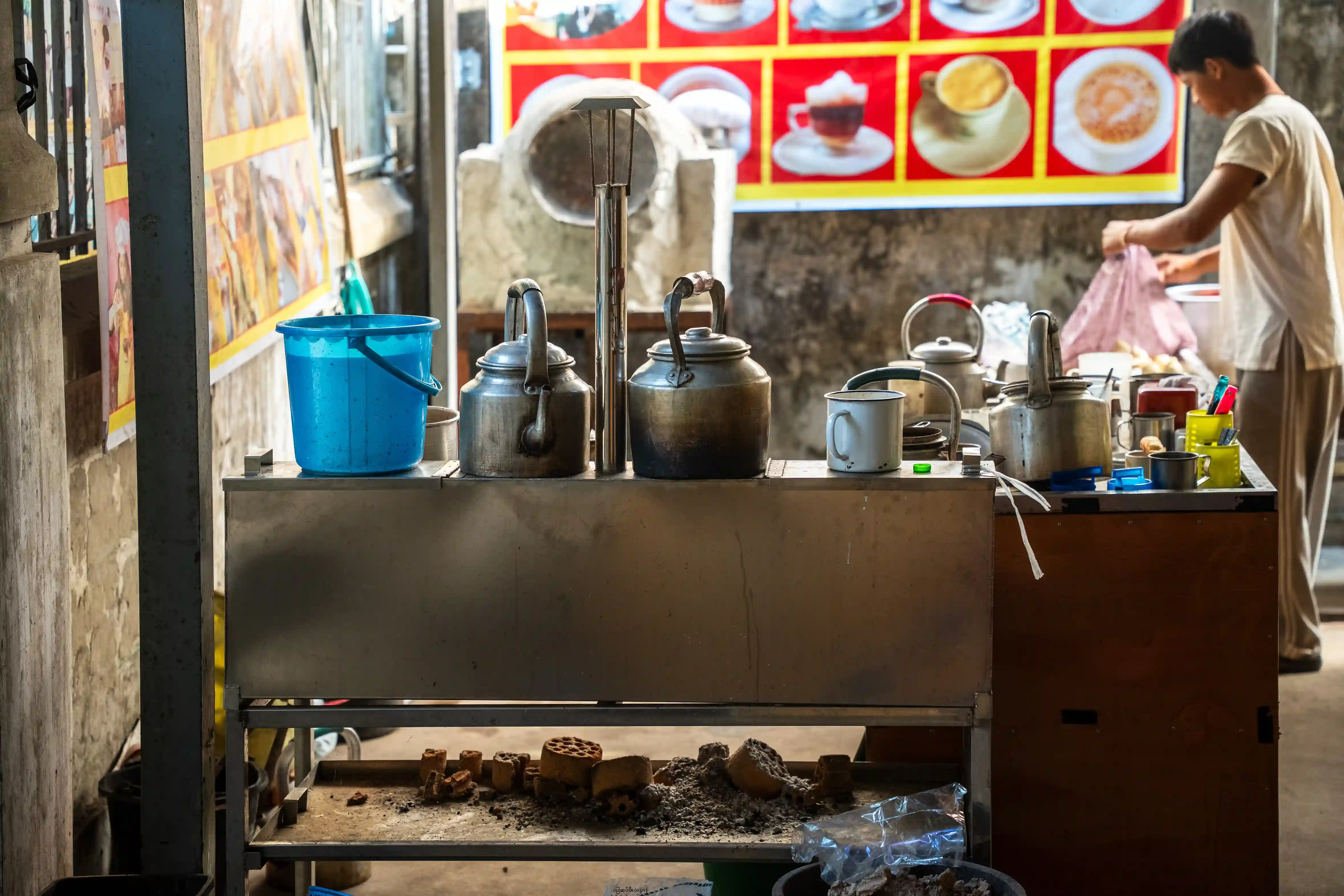
Long before cafés became the go-to place for most, tea shops were woven into the social fabric of Burma. Found in bustling cities and small towns alike, these spaces gradually became neighbourhood meeting points, informal offices, discussion forums and community living rooms. They were a melting pot of culture, conversations and Burmese cuisine on the go.
On any given day, a tea shop might host a group of friends catching up, a businessman reading the morning newspaper, students discussing ideas or regulars simply watching the world go by.
During the monsoon, these tea shops become livelier. As the world on the outside blurs beneath heavy showers, inside, time takes a pause. The tea shop becomes both refuge and gathering place.
It is where people form connections, share stories, debate ideas and catch up on local happenings. In many ways, tea shops became cultural institutions and the monsoon only amplifies this feeling.
Why are monsoon & tea shops inseparable?
As the weather gets unpredictable, tea shops offer warmth, shelter and familiarity. The soundtrack of the season becomes a blend of rain tapping overhead, tea being poured, spoons clinking against cups and conversations flowing from table to table.
People arrive seeking refuge from the weather and often end up staying much longer than they planned. A short conversation turns into an afternoon spent catching up. The rain creates permission to slow down. And in a world that is constantly rushing somewhere, that might be one of the season's greatest gifts.
Bringing That Spirit to Burma Burma
We've always believed that tea is about more than what is served in the cup. It's about creating space for connection, conversation and discovery.
Much like the tea shops of Burma, our spaces are designed for lingering conversations, leisurely meals and moments of pause amidst busy days. A place where a cup of tea can become the start of a story, a catch-up or simply a quiet afternoon.
So the next time it pours, head to your nearest Burma Burma or order in a cup of our signature pulled tea and consider slowing down, just like the Burmese do.
FAQs
1. What is the tea shop culture in Burma?
In Burma, tea shops aren’t just places that people visit to grab a beverage. They were a melting pot of culture, conversations and Burmese cuisine on the go. People meet, have conversations, share ideas and sip of piping hot cups of Burmese Pulled Tea with crispy mouthwatering snacks served on the side.
2. How long does the rainy season last in Burma?
In Burma, the monsoon begins soon after Thingyan, the Burmese New Year, around May and ends around August.
3. What is served in Burmese Tea Shops?
Burmese Tea Shops serve a wide variety of Burmese Pulled Teas, famous for their creamy frothy top, along with hot, crispy, savoury and sweet snacks.
4. What are Burmese Pulled Teas?
Burmese Pulled Tea is made with a strongly brewed black tea paired with condensed and evaporated milk
5. Is tea a popular drink in Burma?
Tea is the most popular drink in Burma and is enjoyed throughout the day. It's not just a beverage but a complete experience. People look forward to tea time and visiting tea shops with their friends and family. In fact, the Burmese don’t just drink their tea but eat it too. They ferment tea leaves, which are popularly called Laphet and enjoy them in salads, stir fries and as a topping over many other dishes.