Laphet Thoke: Burma’s Famous Tea Leaf Salad
Discover the origins, ingredients and story of the iconic Burmese Tea Leaf Salad
by
Team Burma Burma
Salads are often seen as the lighter meals. However, in Burma, salads are the key highlight of a meal and very often enjoyed just by themselves as a complete meal. Amongst the wide variety of salads enjoyed throughout the country, one salad stands out the most and is loved for its unique flavours and textures.
Lahpet Thoke or the famous Burmese Tea Leaf Salad, is a beloved dish that brings together fermented tea leaves, crunchy nuts and seeds, fresh vegetables and vibrant seasonings in a way that's both deeply rooted in tradition and yet, refreshingly modern. It's a dish that's as much about gathering around the table as it is about the ingredients themselves. If you've ever wondered what a Burmese Tea Leaf Salad is, the answer lies not just in what's on the plate, but in centuries of history, hospitality and the Burmese love for balancing contrasting flavours and textures.
What is Burmese Tea Leaf Salad?
Unlike most salads that rely primarily on copious amounts of creamy dressings, Burmese Tea Leaf Salad finds its soul in one extraordinary ingredient - fermented tea leaves. Popularly known by the locals as lahpet, these tea leaves are carefully harvested, steamed and fermented until they develop a pleasantly earthy and slightly tangy flavour. They're then tossed with an assortment of fresh, thinly sliced vegetables and crunchy accompaniments to create Lahpet Thoke, one of Burma’s most iconic dishes.
The result is a salad that's layered in both textures and flavours. Every bite offers a little bit of everything: savoury, nutty, fresh, mildly bitter, citrusy and crunchy. It's this harmony of flavours and textures that has made Lahpet Thoke a staple across Burma that’s enjoyed in homes, tea shops and festive gatherings alike.
The History of Lahpet Thoke - The Burmese Tea Leaf Salad
The history of the Burmese Tea Leaf Salad begins long before it became a popular everyday dish. Tea has been cultivated in Burma's highlands for centuries, particularly in the lush, mist-covered regions of Shan State. While much of the world drinks tea, Burma developed a unique culinary tradition of eating it. Historically, fermented tea leaves held ceremonial significance. Offering lahpet was a gesture of goodwill and reconciliation. It was traditionally served to honoured guests and shared during important celebrations, weddings and religious ceremonies. A beautifully arranged tray of fermented tea leaves accompanied by nuts, seeds and other accompaniments symbolised respect, peace and togetherness.
Over time, what began as a ceremonial food naturally found its way into everyday life. Today, the Burmese Tea Leaf Salad is enjoyed throughout the day as a light meal, a snack or something to share over long conversations at Burma's beloved tea shops. It remains one of the country's most distinctive culinary traditions and a wonderful example of how food can preserve history while continuing to evolve.
The Ingredients That Make The Burmese Tea Leaf Salad So Special
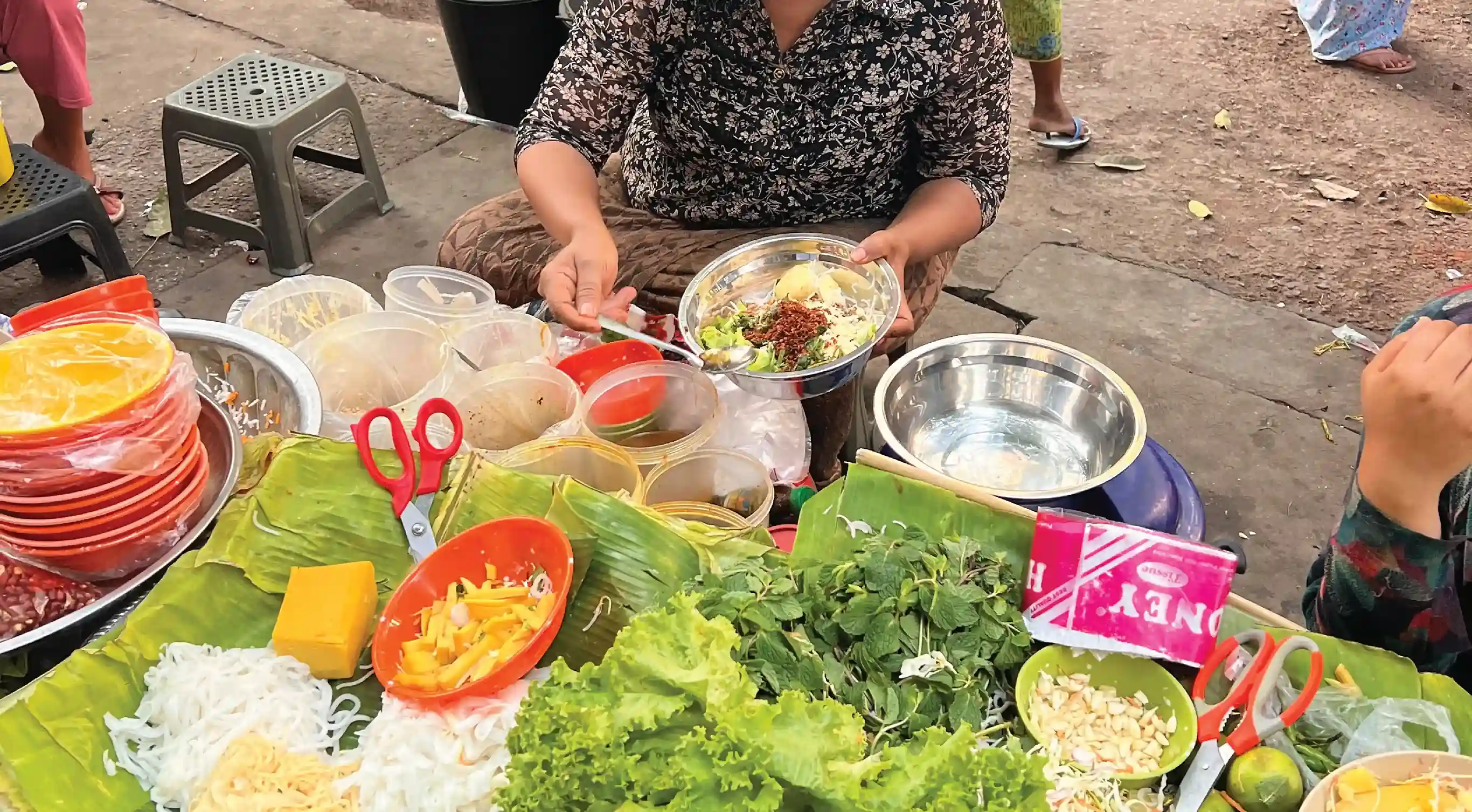
The beauty of the Burmese Tea Leaf Salad lies in the contrast of its components. While the recipe differs from kitchen to kitchen and family to family, some classic Lahpet Thoke ingredients form the heart of the salad. These typically include: Fermented tea leaves (lahpet), shredded cabbage, sliced tomatoes, crunchy fried garlic, roasted peanuts, toasted sesame seeds, fried split peas, fresh green chillies, lime juice, garlic or peanut oil and a big helping of finely chopped fresh coriander.
Each ingredient contributes something unique. The fermented tea leaves provide depth and a kick of bitterness, while the nuts and seeds add richness and crunch. Fresh vegetables brighten the dish, and lime juice ties everything together with a burst of freshness. Rather than blending into one uniform flavour, every ingredient retains its own identity, making each mouthful slightly different from the last.
A Salad That Celebrates Texture
If there's one thing that defines Burmese cuisine, it's an appreciation for texture. The Burmese Tea Leaf Salad is perhaps the finest example of this philosophy. Crisp cabbage, juicy tomatoes, crunchy peanuts, crackling garlic, toasted sesame, tender tea leaves and fragrant herbs all come together in perfect balance. In many Burmese homes and tea shops, the ingredients are presented separately and are mixed just before eating. This preserves their freshness while allowing everyone to appreciate the colourful assortment on the plate. It turns a simple salad into an interactive dining experience.
Regional and Family Variations
Like many traditional recipes, there is no single version of Lahpet Thoke salad. Across Burma, regional preferences and family traditions shape the dish in subtle ways. Some versions lean towards brighter citrus notes, while others highlight the richness of fried garlic or toasted sesame. Certain households enjoy a little more heat with fresh chillies, while others keep the flavours gentler. Some tea shops prepare their own signature fermented tea leaf blends, carefully balancing bitterness, saltiness and umami to create a flavour that's uniquely theirs.
These variations are part of what makes Lahpet Thoke so enduring. Every version tells a slightly different story while remaining unmistakably Burmese.
More Than Just a Salad
In Burma, food often brings people together, and Lahpet Thoke is no exception. It's commonly shared among friends over cups of Burmese milk tea, enjoyed as an afternoon snack or served as part of a larger meal featuring curries, rice and soups. Because the dish is assembled fresh, it naturally encourages conversation, with everyone gathering around as the ingredients are mixed together.
This spirit of sharing reflects the warmth of Burmese hospitality, where meals are rarely hurried and food becomes a reason to linger a little longer.
Bringing Burma’s Favourite Laphet Thoke to Burma Burma
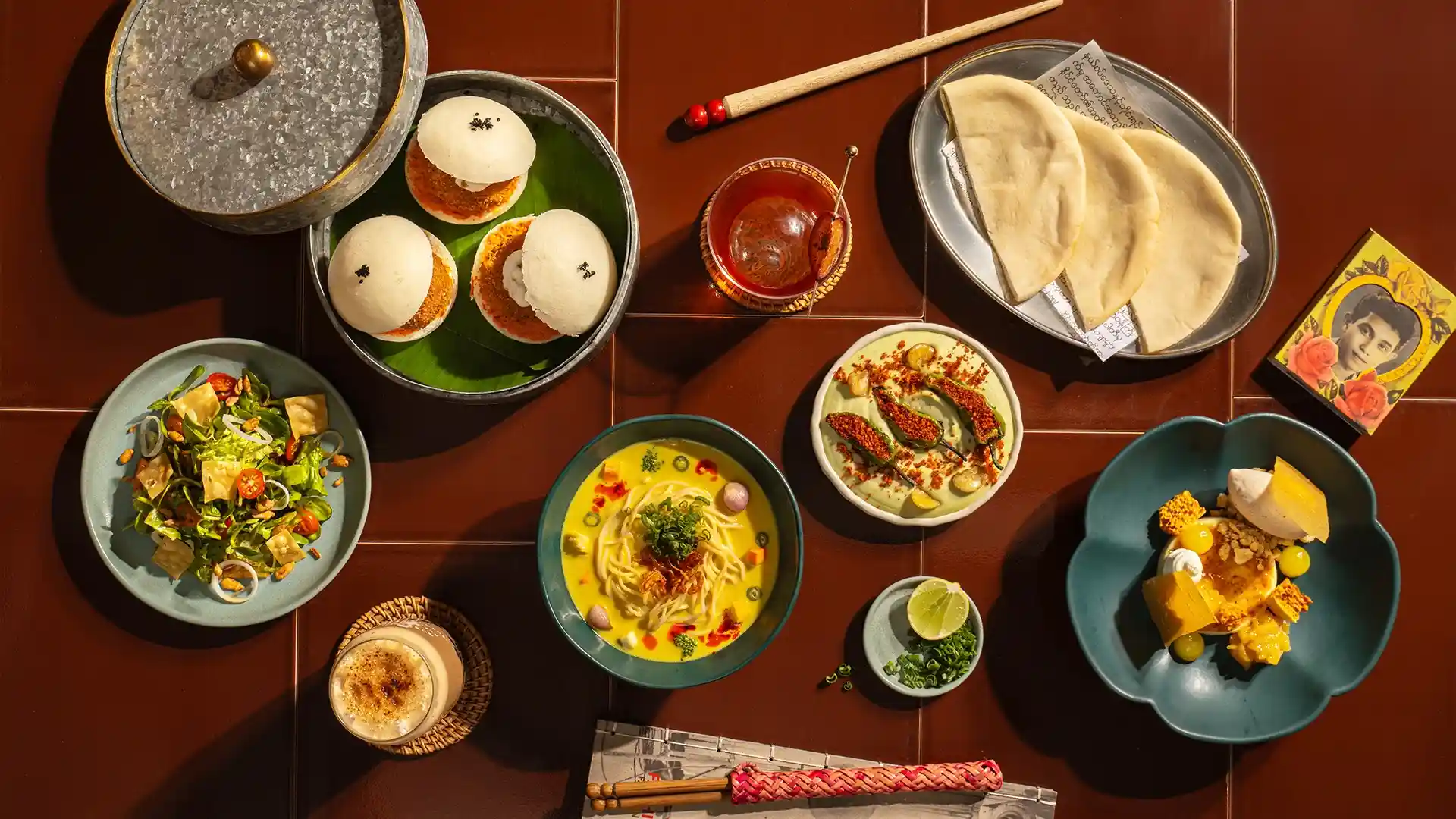
At Burma Burma, our Tea Leaf Salad celebrates one of Burma's most cherished culinary traditions. Prepared with fermented tea leaves, crisp vegetables and an assortment of crunchy accompaniments, it reflects the layered flavours and textures that have made Burmese Tea Leaf Salad a favourite over generations.
Whether you're discovering Lahpet Thoke for the first time or revisiting a familiar classic, it's a dish that offers a delicious introduction to the rich culinary heritage of Burma, one crunchy, tangy and wonderfully balanced bite at a time.
FAQ:
1. What is Burmese Tea Leaf Salad?
Burmese Tea Leaf Salad, also known as Lahpet Thoke, is one of Burma's most iconic dishes. It is made with fermented tea leaves mixed with fresh vegetables, roasted peanuts, sesame seeds, fried garlic, split peas, chillies and lime juice. Known for its bold flavours and contrasting textures, it is enjoyed as a snack, side or complete meal across Burma.
2. What are the main Lahpet Thoke ingredients?
Traditional Lahpet Thoke ingredients include fermented tea leaves (lahpet), shredded cabbage, tomatoes, roasted peanuts, toasted sesame seeds, fried garlic, fried split peas, fresh coriander, green chillies, lime juice and garlic or peanut oil. While recipes vary by region and household, fermented tea leaves remain the defining ingredient.
3. What is the history of Lahpet Thoke?
The history of Lahpet Thoke dates back centuries. Fermented tea leaves were once offered as a symbol of peace, goodwill and hospitality during ceremonies and special occasions in Burma. Over time, this ceremonial food evolved into the much-loved Burmese Tea Leaf Salad that is now enjoyed daily in homes and tea shops across the country.
4. Is Lahpet Thoke salad served differently across Burma?
Yes. Lahpet Thoke salad has many regional and family variations. Some recipes are more citrus-forward, while others use extra fried garlic, sesame or chillies. Many tea shops also prepare their own signature fermented tea leaf blend, giving each version its own distinctive flavour.
5. Why is Burmese Tea Leaf Salad so unique?
Unlike most salads, Burmese Tea Leaf Salad is centred around fermented tea leaves rather than leafy greens. Its combination of earthy tea leaves, crunchy nuts and seeds, fresh vegetables and bright seasonings creates a balance of savoury, tangy, bitter and crunchy flavours that is uniquely Burmese.