A Burmese Summer: The streets, sounds & everyday rituals
A sneak-peek into the slow summers of Burma
by
Team Burma Burma
Summer in Burma isn’t just a season. It’s a mood, a rhythm, a break before the rains arrive. Around April, the heat settles deep into the streets of Yangon, the dusty plains of Bagan, the tea shops of Mandalay and all the quaint river towns. Temperatures in Burma often reach 40°C, and locals build their lives around this.
Despite the rising temperatures, summer in Burma is all about celebrating the Thingyan Festival, the Burmese New Year. It’s the season of new, fresh produce and of padauk flowers in full bloom, of spending time with family and slowing down.
What does summer look like in Burma?
In Burmese homes, the day begins well before the first crack of dawn. Floors are swept while the air is still cool. Markets start buzzing way before sunrise because the heat increases by noon. Afternoons slow down everything. The streets are empty. Dogs nap in patches of shade. Shopkeepers sit behind counters, fanning themselves with newspapers. In older neighbourhoods, people still sprinkle water outside their homes to cool the ground. Everything is quiet except for the market street where locals flock for something refreshing to sip on: a refreshing pickled soda, a hearty mango, an avocado milkshake or a chilled falooda.
And then there’s Thanaka, the pale yellow paste that’s made from the bark of the Thanaka tree, which is found in abundance in Burma. For centuries, the Burmese have applied this magical paste onto their cheeks, and it acts like a coolant that’s protective and comforting. Kids, adults and the elderly, everyone wears Thanaka. They also love experimenting with different shapes and interesting designs, and having fun with this cultural symbol.
Summers are when Burma is at its festive best. The Burmese New Year is also famously known as the country’s biggest water festival. It is the time when the locals turn the hottest days of the year into something joyous and very exciting. For a few days, the entire country changes character. Water stations appear on streets. Music blasts from temporary stages called mandats. Pickup trucks full of teenagers drive through cities with buckets and hoses. Children ambush strangers with plastic bowls of water. Offices close, families reunite and monasteries fill with offerings.
But underneath the spectacle is something much quieter. Thingyan is mainly about cleansing and washing away the previous year’s mistakes, sadness and failures before entering a new one. Water becomes symbolic. People pour scented water onto the elders’ hands. Donations are made to monasteries and everyone tries to make do something good as a symbolic act of welcoming a new beginning on a good note. Generosity is central to Burmese summers. Across cities and towns, families set up stalls offering free meals and drinks to anyone passing by, strangers included. Light, comforting meals are shared and offered like mohinga, curries, desserts, cold drinks and shaved ice.
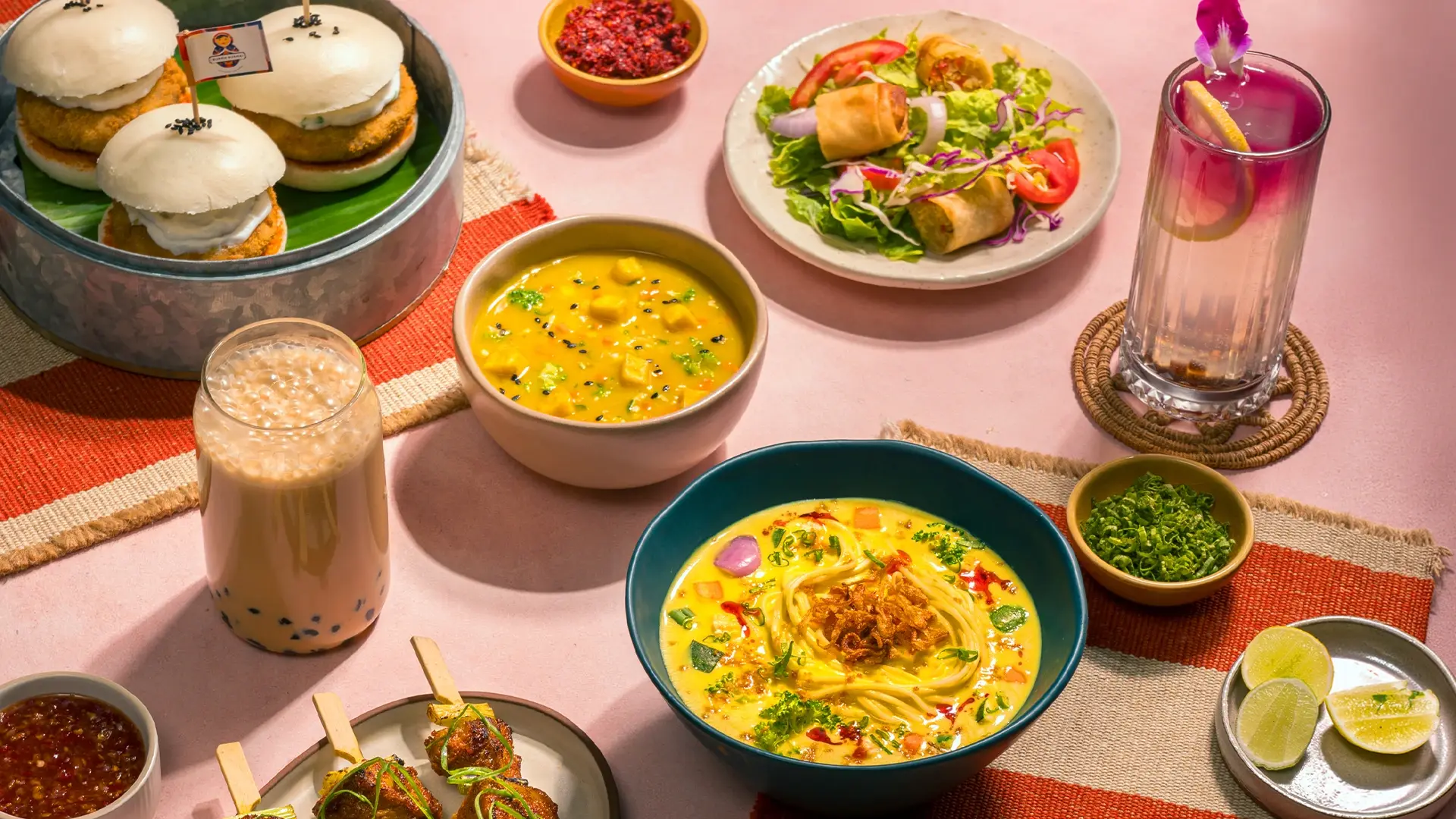
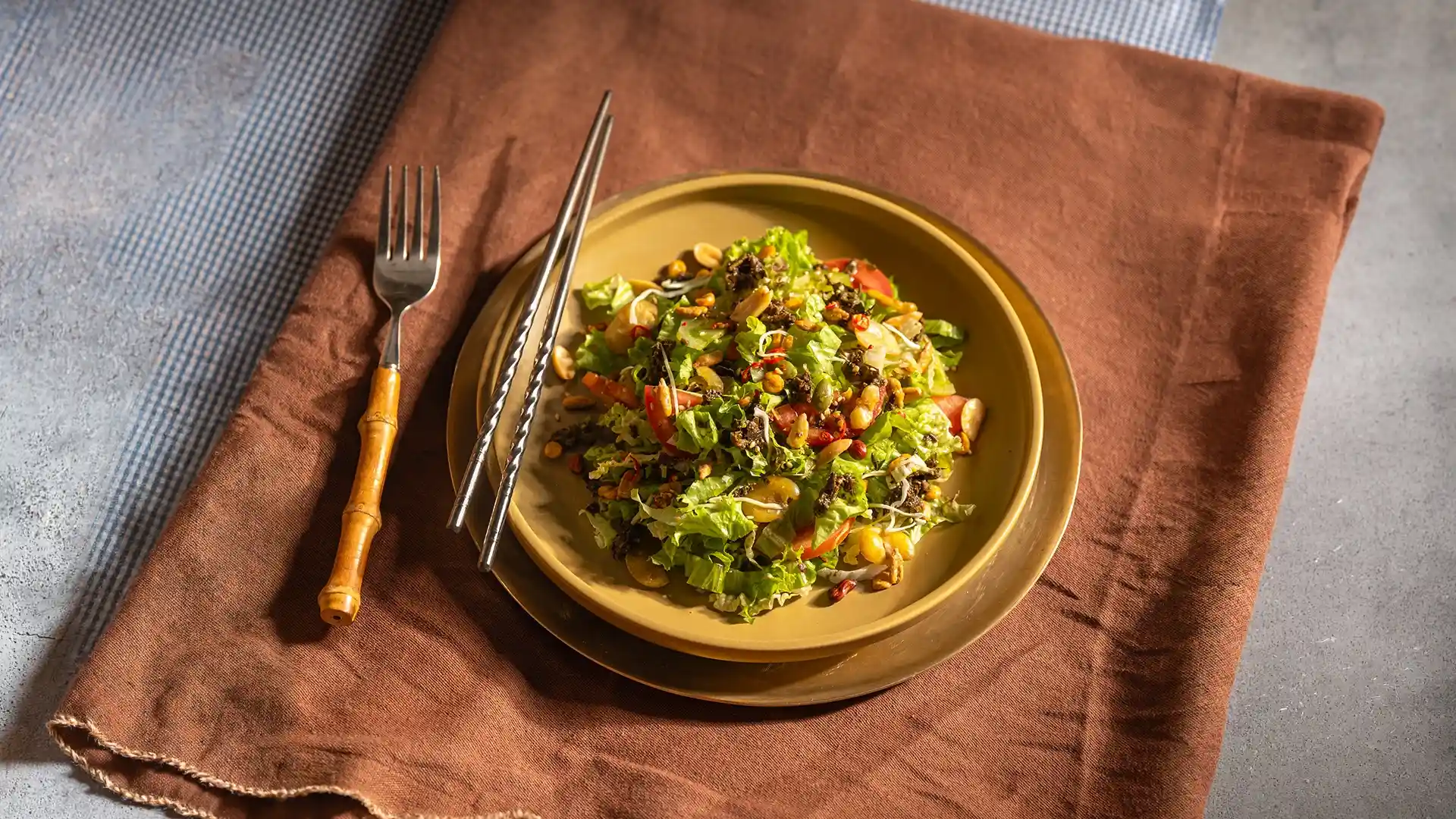
Burmese summer food is practical, cooling and deeply tied to the weather.
Most dishes in Burma balance heat with acidity, making it a perfect combination to beat the heat. Even tea shops change in summer. The steaming hot cups of tea are replaced with cooler variants. Conversations stretch longer into evenings once temperatures finally drop. If mornings belong to markets and afternoons belong to shade, evenings belong to catching up with friends and loved ones. It’s the time when everyone gathers as the heat subsides. Plastic stools appear on pavements. Street vendors light small lamps. Teenagers circle neighbourhoods on scooters. Pagodas glow gold against darkening skies. Neighbourhoods become communal spaces where people bring something to sip and nibble on as everyone chats away into the night. And somewhere nearby, there’s probably music playing.
The Art of Slowing Down
In the cities, ceiling fans turn lazily above teahouse tables where men sit for hours, nursing cups of strong, milky tea. In the villages, the pace follows the sun, work before ten, rest until three, then back out again as the light softens. There is no rushing summer in Burma. You negotiate with it instead. This philosophy of slow, deliberate living runs deep through the Burmese culture
The Famous Burmese Parasols
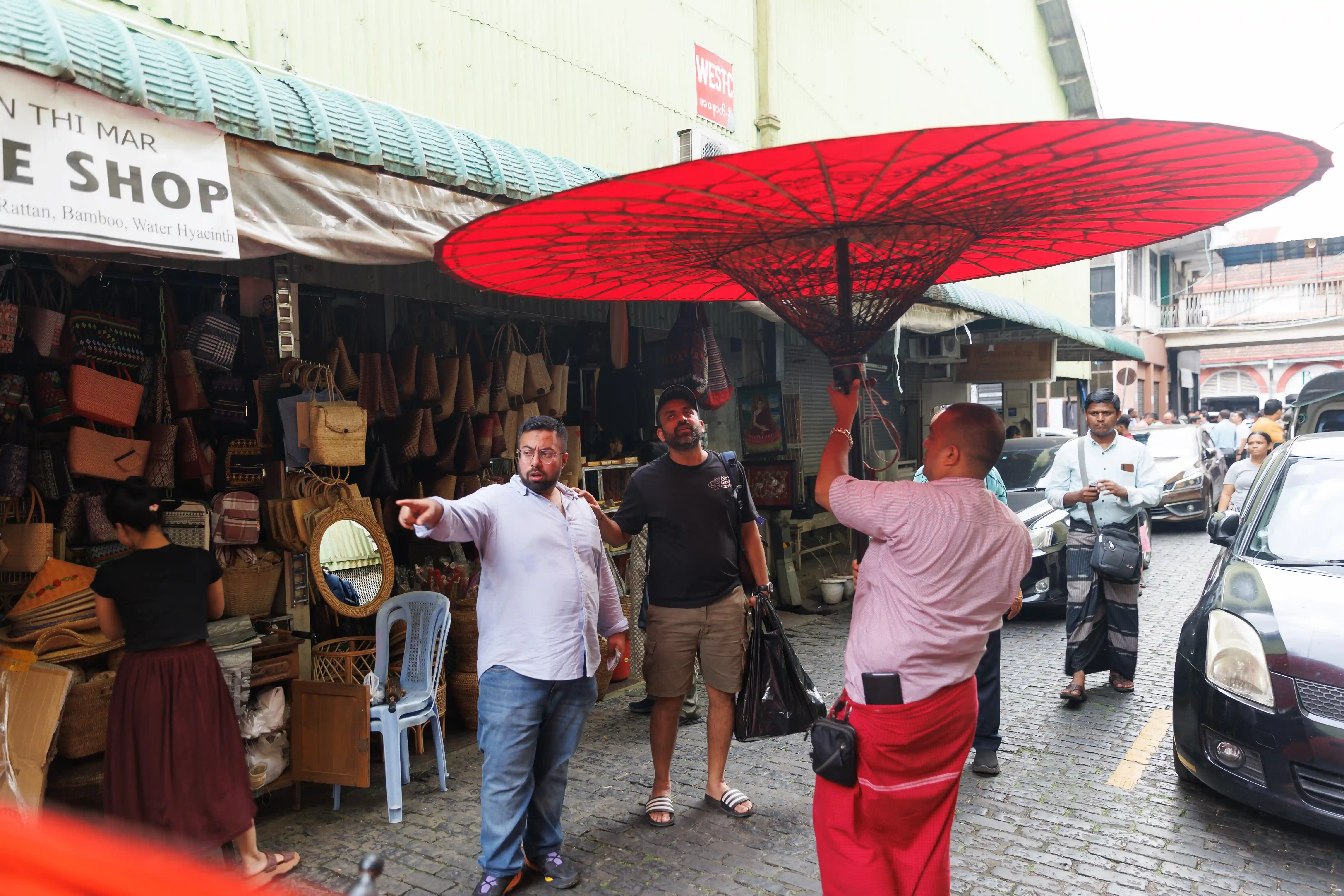
No image of a Burmese summer is complete without the parasol. The hti, as it is called, is everywhere: in processions, sheltering monks on their morning rounds, at festivals, gatherings and celebrations. Pathein has been the centre of Burmese parasol-making for centuries. Artisans have been crafting these objects by hand for generations. Each one begins with carefully selected bamboo, a canopy of cotton or treated paper, and natural dyes that produce the vivid colours one can see at every festival and procession.
The parasol is not purely decorative. It is, in Burmese tradition, one of the Eight Auspicious Symbols, representing protection and the sheltering from suffering. During Thingyan, Burma's exuberant New Year water festival, parasols are spun and twirled in celebration, transformed from objects of shade into objects of joy.
At Burma Burma, the parasol finds a home in every restaurant space we've created across India. It's our way of keeping summer in Burma alive throughout the year. It is craft, symbolism, and a piece of Burma we love to carry around with us on our journey as we celebrate and explore the rich culture with our restaurants.
Enjoy the flavours of Burmese Summer in whatever season you happen to be in, at your nearest Burma Burma with a variety of fresh salads, refreshing beverages, stir-fries, desserts and of course – ice cream.