Burma Burma Presents ‘Across Borders: Journeys From India to Burma’- A Shared Food Story
A limited-edition menu tracing the food, flavours and stories that travelled across borders between India and Burma
by
Team Burma Burma
What happens when a street-side favourite from Bihar finds a place in Yangon’s bustling markets? When a noodle dish finds its way back to Gujarat in the luggage of returning traders? Do two food cultures simply sit side by side, or do they meet and become something entirely new?
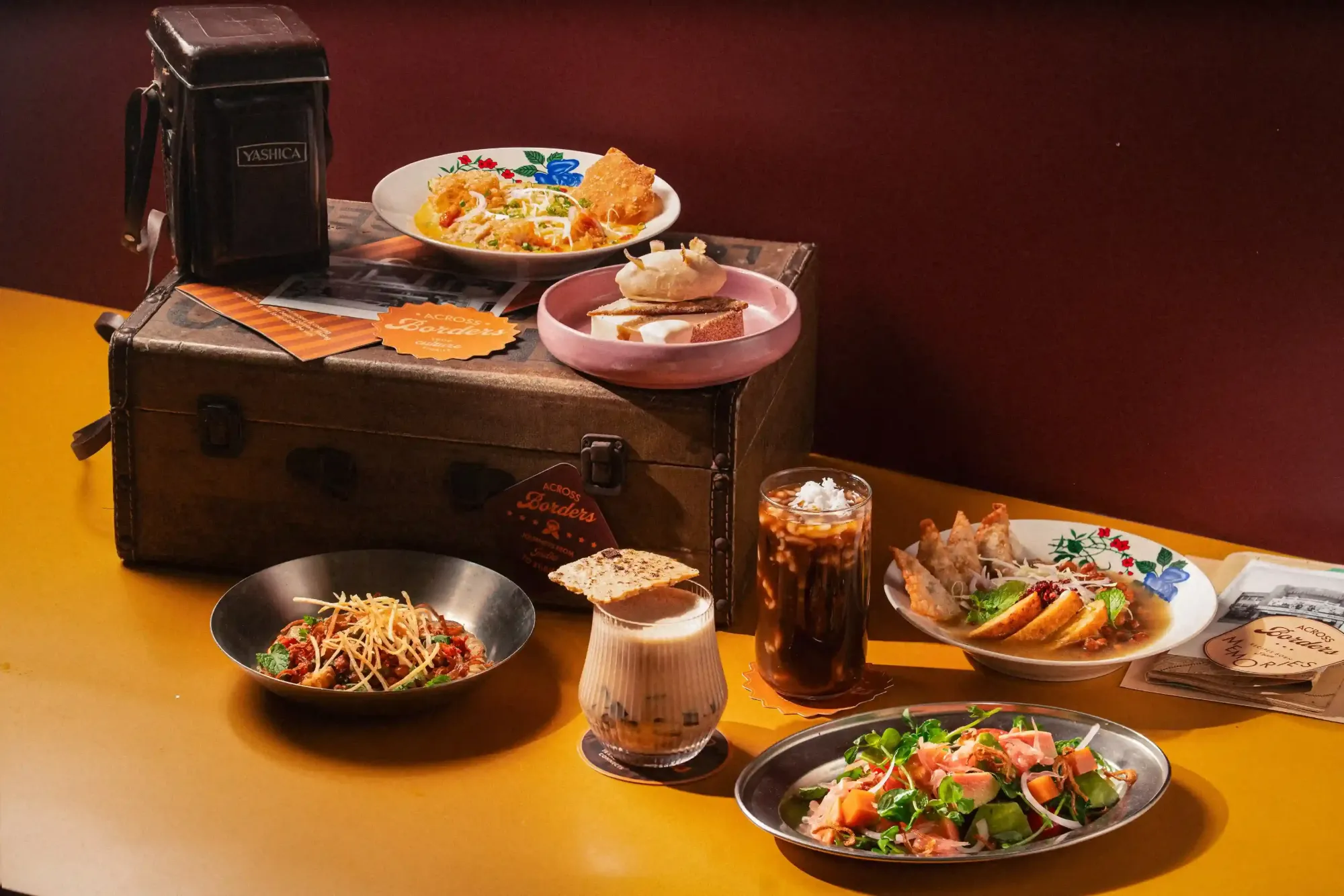
These are the questions behind Across Borders: Journeys From India to Burma, a limited-edition menu from Burma Burma, running from November 1 to December 15, 2026. It is less a list of dishes than a set of stories, and they begin, as most food stories do, with people on the move.
The routes that carried the recipes
For centuries, traders, sailors, workers and business owners made their way along Burmese trade routes. They carried goods, of course, but they also carried their cultures, their ideas and the flavours of home. Those journeys left behind a legacy of recipes that crossed borders, found new homes and slowly turned into something that belonged fully to the place where they landed.
The first edition of this menu follows those paths from the Indian port cities of Mumbai, Kolkata, Chennai and Surat to Yangon, and back again. Many of these journeys settled so deeply into Burmese kitchens that they remain part of Burma’s food culture today. What looks familiar on the plate often hides a longer story, and that is precisely the point of the menu.
Street food, and the people who carried it
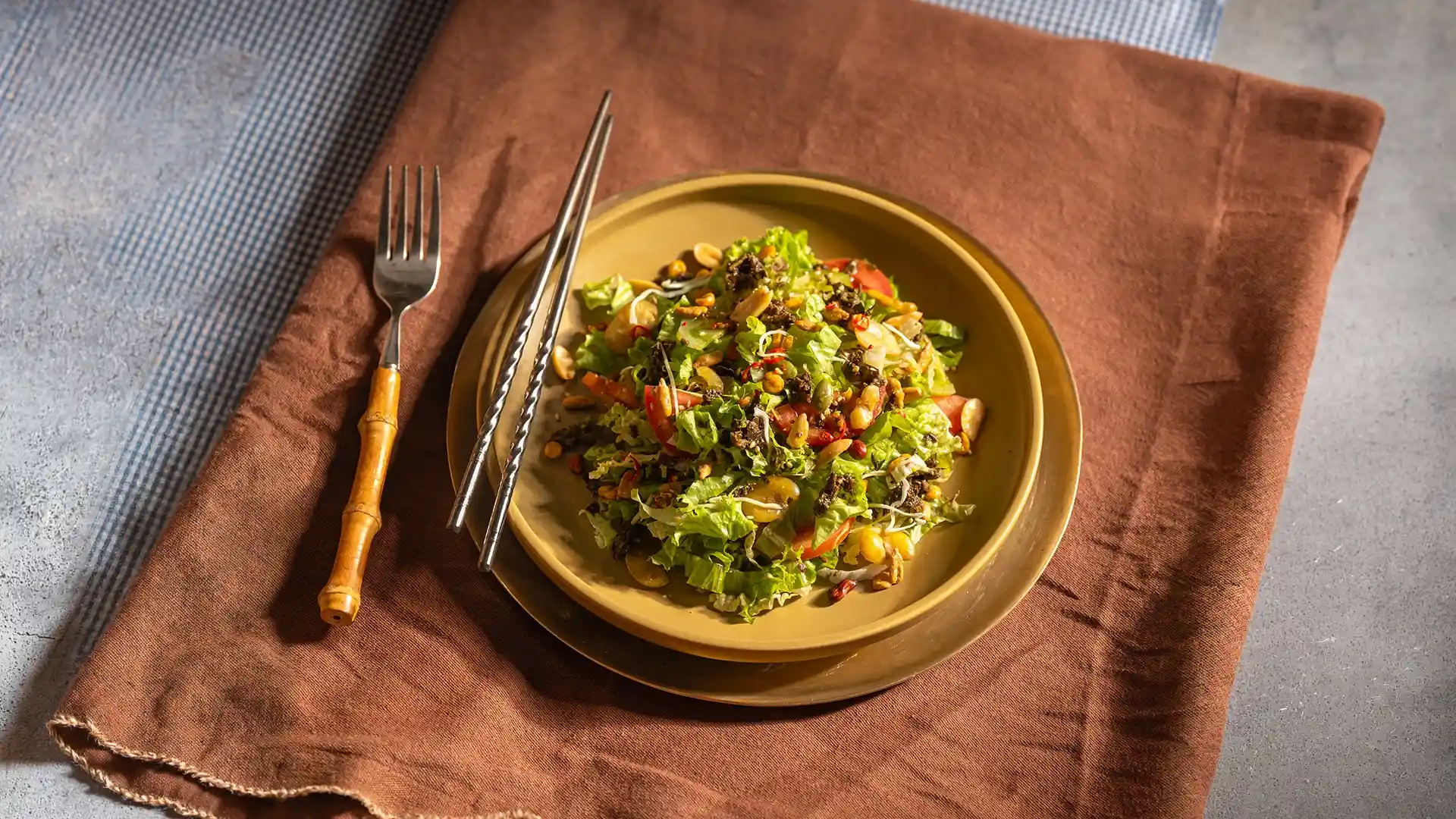
Start with the Spiced Guava Salad, a street food loved in both Kolkata and Yangon, where guava and pomelo meet a punchy mustard dressing. Two cities across the Bay of Bengal, one shared snack.
Then there is the Gone Yi Street Salad, which tells the story of a market favourite that travelled with workers from Bihar to Burma and made a home in Yangon’s busy bazaars. Chanaa and fried potatoes are tossed with Kalar, a fragrant Burmese spice blend, a quiet record of what migrant communities brought with them and how Burma folded it into its own flavours.
The Samoza Kari carries a similar tale of cultural exchange. Workers from Bihar brought the samosa to Burma during colonial times, and over the years it found new company on the plate: crisp samosas served with a chickpea curry, a split pea fritter, and a chilli and tamarind sauce. It is comfort food with a history, the kind that made a faraway place feel a little more like home.
The Story of Dishes That Returned
Not every journey ran in the same direction. The Khao Sa follows a noodle dish that traders from Surat, in Gujarat, carried back from Burma, shaping it along the way. Fresh coconut milk and noodles form the base, finished with chilli-garlic chutney and crushed wonton crisps. It is a reminder that food exchange is rarely a one-way street. Dishes leave, change, and sometimes return in a new form. The Khao Sa is a popular street food favourite, enjoyed in Surat & several other parts of Gujarat even today.
The Burma Roti draws on Mumbai’s Baida Roti, a favourite across India’s port cities. Here the flaky palata is stuffed with spiced lentils and plant-based mince, then served with a spicy tamarind sauce and crackling spinach.
The sailors who stayed
The Sailor’s Curry Palata is inspired by Indian sailors who settled in Yangon and cooked with whatever the local market offered. The result is a fragrant, slow-cooked curry of lemongrass and shredded plant protein, eaten with flaky palata. You can taste the improvisation in it: a familiar way of cooking, adapted to new ingredients, by people building a life in a new city.
Each of these dishes offers a different view of these journeys. Some hold the memory of a place left behind. Others tell of a new home found along the way. Together they speak to the unexpected connections that emerge when people, ingredients and traditions meet.
Sweetness on both shores
The story continues into dessert. The Shwe Pu Zun Faluda takes its cue from Yangon’s famed faluda shops and their signature baked custard. Flavoured fruit jellies, tapioca pearls and basil seeds are served in chilled evaporated milk, crowned with that custard, a Burmese interpretation of a dessert Indian diners will recognise at once.
The Jaggery & Rice Pudding is a quieter pleasure. It brings Indian cooking techniques together with Burmese palm jaggery and short-grain rice, served with coconut custard, caramelised apples and toasted coconut chips. Familiar technique, local ingredients, and a comforting result.
What to drink on the way
The drinks carry their own histories. The Mont Let Saung, a Burmese favourite associated with Chettinad traders, is still enjoyed in Chennai to this day. It is a cooling blend of coconut water, palm jaggery and delicate rice flour pearls, and a refreshing expression of the ties between Burma and South India.
The Mango Passion Fruit celebrates something simpler: a shared love of mangoes on both sides of the Bay of Bengal, blended here with fresh coconut water, aromatic sage and chewy nata de coco.
And then the Sattu Caramel Cooler, which takes roasted chickpea sattu, a taste that says Bihar to so many, and turns it into a chilled sharbat with coconut water, coconut milk, condensed milk and notes of caramel, served with black grass jelly.
More than a menu
Food holds the memories of the people who make it, the places they leave and the communities they settle in. Across Borders is built on that idea. Some flavours on this menu may feel familiar, but the stories behind them reveal how cultures meet, influence one another and create traditions that outlast the journey itself.
Available for lunch and dinner from November 1 to December 15, 2026, across Burma Burma’s 22 restaurants. Also for home delivery via Swiggy & Zomato