A Cuisine on the Move: The Rising Popularity of Burmese Food in Asia
How trade, travel, cultural exchange and familiar flavours are bringing Burmese cuisine to more tables across Asia.
by
Team Burma Burma
Food rarely stays where it begins. It moves with people, follows trade routes, crosses borders and finds its way into new kitchens. Sometimes it travels because the respective communities move and sometimes because of trade and travel across neighbouring countries, exchanging ingredients and techniques. And sometimes, all it takes is one curious diner, one memorable meal or one trip to make a cuisine feel worth seeking out.
Burmese food has always been shaped by this movement.
Today, Burmese food in Asia is gaining visibility in markets that sit close to Burma geographically, historically and culturally, but for very different reasons. In India, longstanding connections and familiar flavours have helped diners connect with the cuisine. In Thailand, a shared border and a significant Burmese population have created a natural setting for Burmese food to travel. And in Singapore, a sizeable Burmese community sits alongside a dining culture increasingly curious about lesser-known Asian cuisines.
Despite Burmese cuisine remaining relatively niche in many places, its presence is becoming harder to miss.
A Cuisine Shaped by Its Neighbours
Part of what makes Burmese cuisine in Asia interesting is that it already carries traces of the region within it.
India, China and Southeast Asia have all influenced the food of Burma over centuries, through
Burma’s neighbouring countries have deeply influenced its cuisine through geography, trade, migration and cultural exchange. These influences, over the years, have been absorbed, adapted and made distinctly Burmese. That is why a bowl of Shan noodles, a plate of Lahpet Thoke or a serving of Mohinga can feel familiar in one way and yet, completely new and exciting in another.
The story of these influences is worth exploring in its own right and you can read more about it here Beyond the Borders.
But the more interesting question here is: what happens when that food travels back across those borders?
Burmese cuisine in its neighbouring countries
Of all the markets in Asia, India has a particularly deep connection with Burmese food.
The two countries share a long history of movement across the Bay of Bengal. During the colonial period, trade between India and Burma brought people, ingredients and culinary traditions across the water. Those connections left traces that continue to exist in food and communities to this day. But history alone doesn't explain the growing visibility of Burmese food in India today. There is also familiarity. Ingredients and flavours that Indian diners are already comfortable with, like lentils, chillies, coriander, tamarind, spices, noodles and fried snacks like samosas, appear in Burmese cooking in combinations that feel both recognisable yet refreshing and unpredictable.
That has helped Burmese cuisine move beyond being known only through a handful of dishes. Dishes such as Lahpet Thoke, Mohinga and Shan noodles have become useful introductions to a cuisine that was once much less visible on the Indian dining scene. For India, then, the story of Burmese food popularity in Asia is closely tied to something more enduring than a passing food trend: a shared history that makes the cuisine feel both connected and new.
The story takes a different shape in Thailand.
Burma and Thailand share a border stretching more than 2,400 kilometres, which naturally creates scope for movement of people, food and travel between these two countries. For Burmese communities living in Thailand, Burmese food can provide a connection to home. At the same time, proximity makes ingredients, people and culinary ideas easier to move across the border.
There is also growing evidence of Burmese food businesses extending into neighbouring Thailand. Burmese food brands are gradually expanding into Thailand. Here, Burmese food is less about a cuisine being “discovered” from a distance and more about what happens when two neighbouring food cultures are in constant contact. The border may separate countries but it doesn't necessarily separate food.
Singapore has a long-established reputation as a meeting point for significant food cultures across the Asian continent, and it is also home to a sizeable Burmese community and there is a significant rise in curiosity for Burmese cuisine. Singapore's diners are already accustomed to exploring cuisines from across the continent and beyond. Burmese food is entering this landscape where trying something from a neighbouring country is part of a wider culture of food discovery.
And perhaps that is the more interesting story.
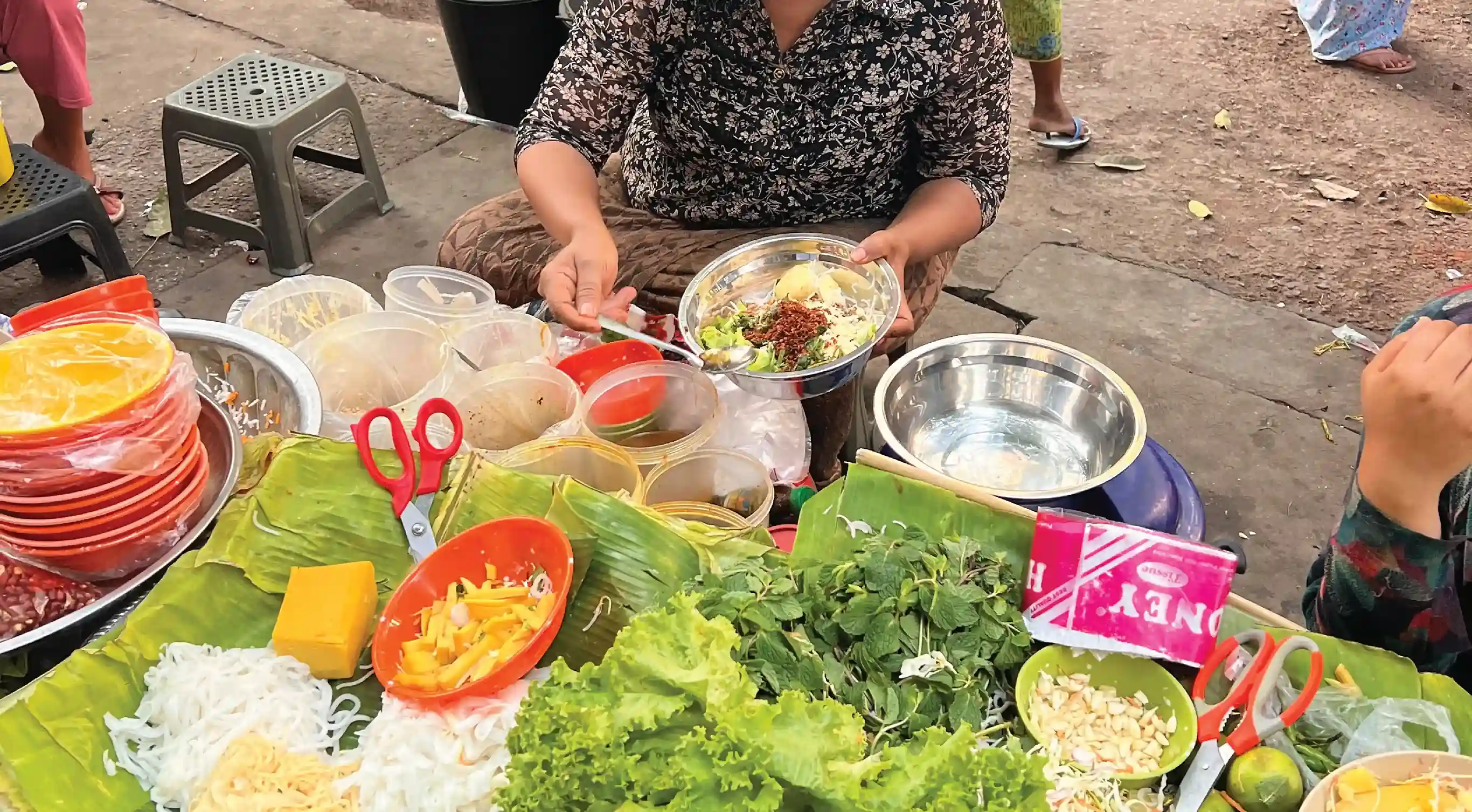
Burmese food doesn't need to become ubiquitous to become visible. A new restaurant, a traveller returning from Yangon, a Burmese community sharing its food, or a diner encountering Lahpet Thoke for the first time can each widen that circle a little.
Why Does Burmese Food Feel So Familiar?
There is a reason diners across Asia can often find an entry point into Burmese food without knowing much about it beforehand. Its geography has placed Burma at a crossroads of culinary influences. Asian food traditions have interacted with Burmese ingredients and cooking styles over time, creating a cuisine that celebrates familiar ingredients and techniques while using them in distinctly Burmese ways.
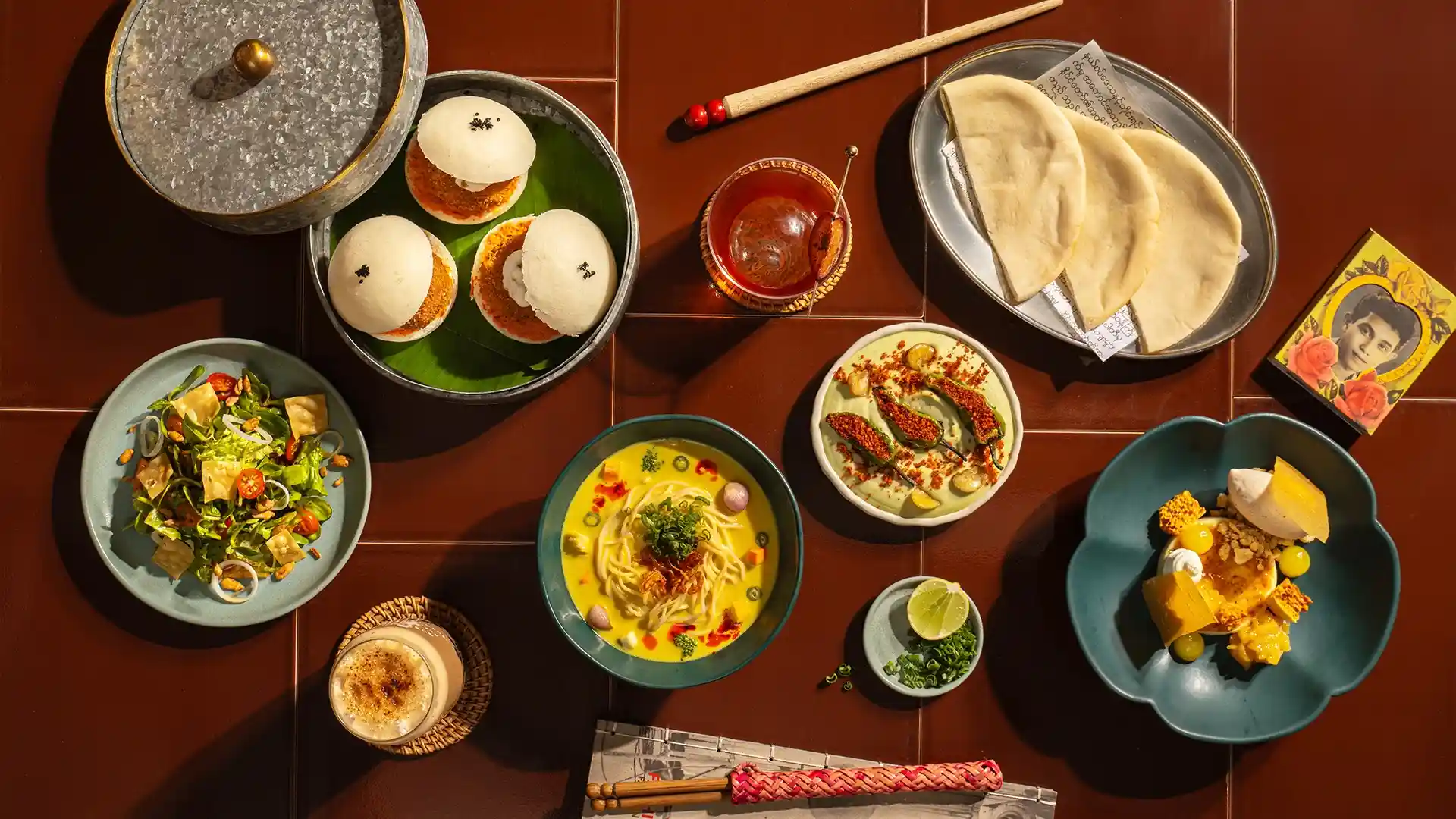
Familiarity doesn't mean sameness but here, it means a sense of comfort. A Shan noodle dish can introduce noodles through a completely different regional lens. Lahpet Thoke turns fermented tea leaves into the hero of a salad. Mohinga offers another expression of the everyday noodle bowl, and Burmese curries show how spices, aromatics and accompaniments come together differently from one kitchen or region to another.
This is perhaps one of the reasons Burmese food can move so naturally across Asia: there is enough familiarity to invite you in, and enough difference to make you curious about what comes next.
A Cuisine Still Finding Its Place
So, where does Burmese food stand across Asia today?
In India, it has found meaningful visibility, helped by historical connections, familiar flavour touchpoints and the growth of dedicated Burmese restaurants and broader interest in regional Asian cuisines. In Thailand, proximity and large-scale migration have created an especially strong connection between Burmese communities, businesses and food culture. In Singapore, a well-established Burmese community provides a strong base, while travel and culinary curiosity are gradually creating opportunities for the cuisine to reach beyond its diaspora audience. The journeys are different, but the underlying story is the same: Food travels because people do. And Burmese food has travelled a long way, across borders, through communities, along old trade routes and now, through restaurants, travel and a new generation of diners looking beyond the familiar.
FAQs
Why is Burmese food becoming more popular in Asia?
The growing visibility of Burmese food in Asia is being shaped by different factors across different markets, including migration, historical connections, geographical proximity, international travel, restaurant growth and growing interest in unexplored cuisines.
Where is Burmese food popular in Asia?
Burmese food has established communities and dining scenes in countries including India, Thailand and Singapore. However, its visibility varies by market: Thailand has particularly strong connections because of its proximity to Burma, while India has longstanding historical and culinary connections. Singapore has a significant Burmese diaspora alongside a growing interest in modern cuisines.
How has India influenced Burmese cuisine?
Indian culinary influence reached Burma through centuries of trade, migration and cultural exchange. Ingredients, cooking techniques and dishes travelled between the two countries and became part of Burma's evolving food culture. The relationship continues today, with Burmese cuisine finding an increasingly receptive audience in India.
What Burmese dishes are known across Asia?
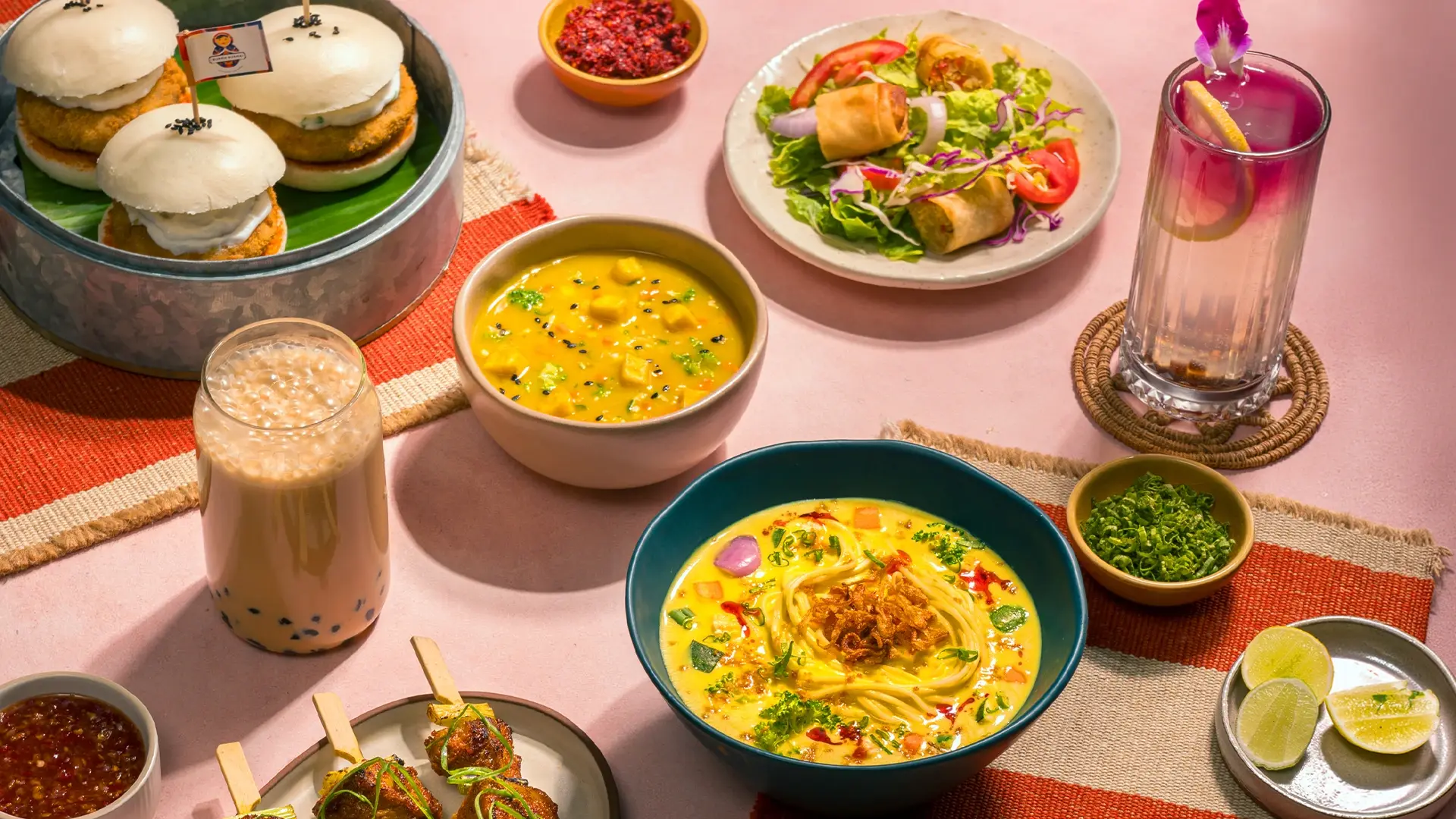
Khowsuey, Mohinga, Lahpet Thoke, noodles and Burmese curries are among the dishes that help introduce diners to Burmese cuisine. They represent different aspects of the cuisine, from everyday noodle dishes and fermented tea-leaf preparations to regional cooking traditions.
Is Burmese cuisine still niche in Asia?
Yes, in many markets Burmese cuisine remains less widely known. However, its visibility is growing in selected Asian markets through trade routes, dedicated restaurants, travel and greater interest in regional cuisines.