Why Burmese Salads Are Unlike Any Other Salad Culture in Asia
From fermented tea leaves to fried garlic and roasted peanuts, discover what makes Burmese salad culture so distinctive.
by
Team Burma Burma
A Burmese salad is so much more than a bowl of vegetables tossed in a dressing. In Burma, a salad or thoke can be made with fermented tea leaves, noodles or even something as unpredictable as crunchy samosas or crispy spring rolls tossed with vegetables, layers of textures and seasonings. So, what makes Burmese salads so distinctive?
Unlike many salad traditions where freshness or acidity might take the lead, Burmese salads are built around contrast. Fresh and fermented, soft and crunchy, tangy and savoury, raw and roasted. And importantly, salads aren't just a side dish in Burmese food culture. They can be central to a meal, shared across the table and enjoyed as part of everyday eating. Sometimes, the salads are a whole meal in themselves. What makes Burmese salad culture different from the salad traditions in other Asian countries is how Burmese salads are built, what goes into them and the way they are eaten.
What Is Burmese Salad Culture?
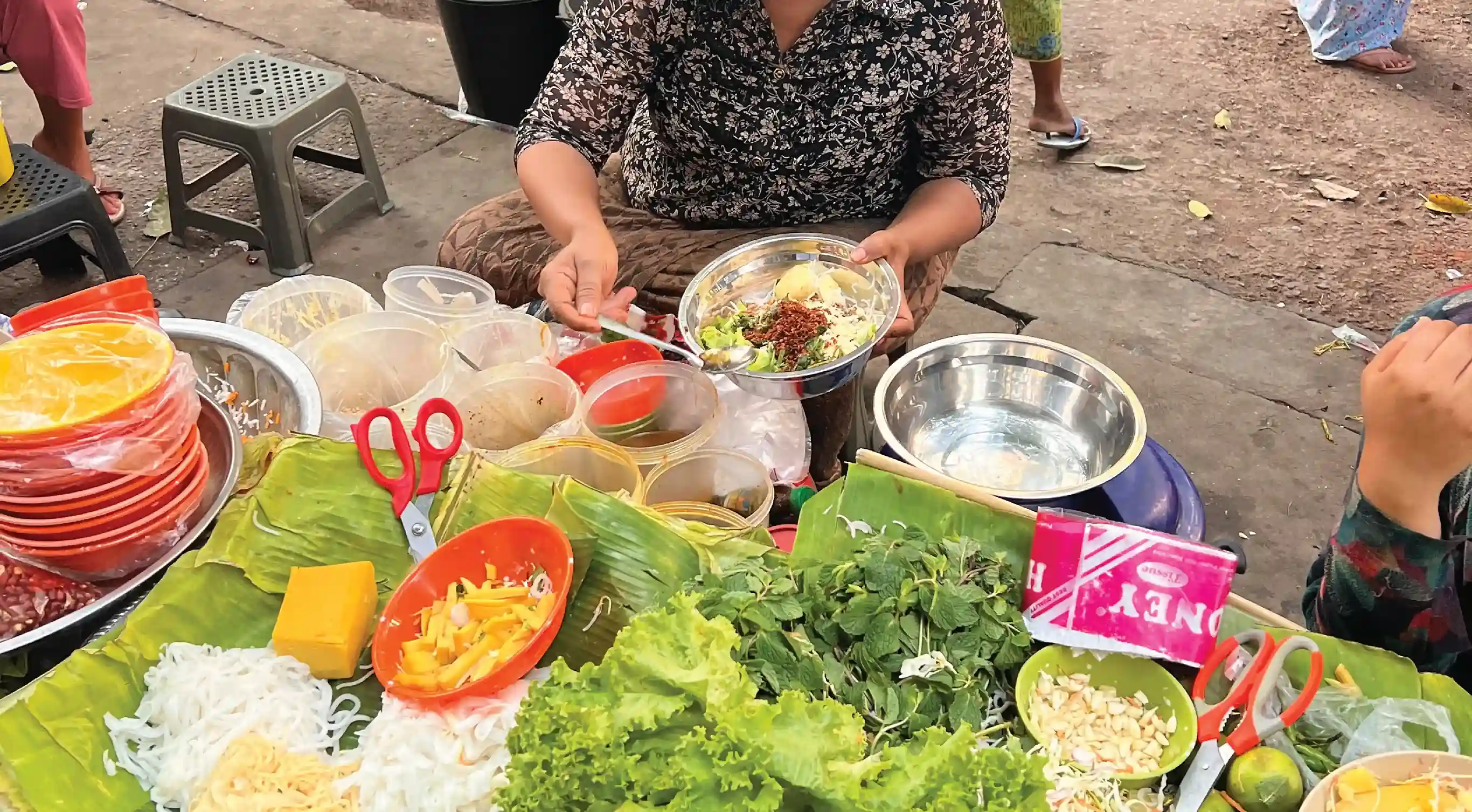
To understand Burmese salad culture, it helps to forget the idea of salad as a particular category of food. In Burma, the word thoke refers broadly to foods that are mixed or tossed together, and that opens up a much wider world than salad leaves, vegetables and dressing. A Burmese salad can bring together vegetables, noodles, fruits, legumes, herbs, fermented ingredients, roasted seeds and fried toppings. The ingredients are often prepared separately and then mixed together, allowing each one to retain its own character. This makes the act of mixing part of the dish itself.
You might have something fresh, something pickled, something crisp, toasted and intensely savoury all in the same bowl. The result is a dish that keeps your palate busy. And that is an important part of the Asian salad tradition: there isn't one definition of what a salad should be. Across Asia, salads and mixed dishes have developed in very different ways.
What Makes Burmese Salads Unique?
Contrast is the heart and soul of Burmese Salads. Some of the most common ingredients in Burmese salads include fermented tea leaves, roasted peanuts, sesame seeds, fried garlic, chickpea flour, and fresh herbs and vegetables, each bringing something different. Fermented tea leaves add depth, gentle bitterness and tang. Roasted peanuts and sesame bring nuttiness and crunch. Fried garlic adds a savoury crispness and a deeper roasted note and the Chickpea flour can add body and an earthy, nutty quality. Fresh herbs and vegetables bring brightness, while chilli, citrus and other seasonings sharpen everything around them.
The point isn't for one ingredient to dominate. It's about creating a bowl where different textures and flavours keep meeting each other. It is because of this constant play of flavours that a Burmese salad can feel substantial enough to hold its own at the table.
Why Does Fermentation Matter So Much?
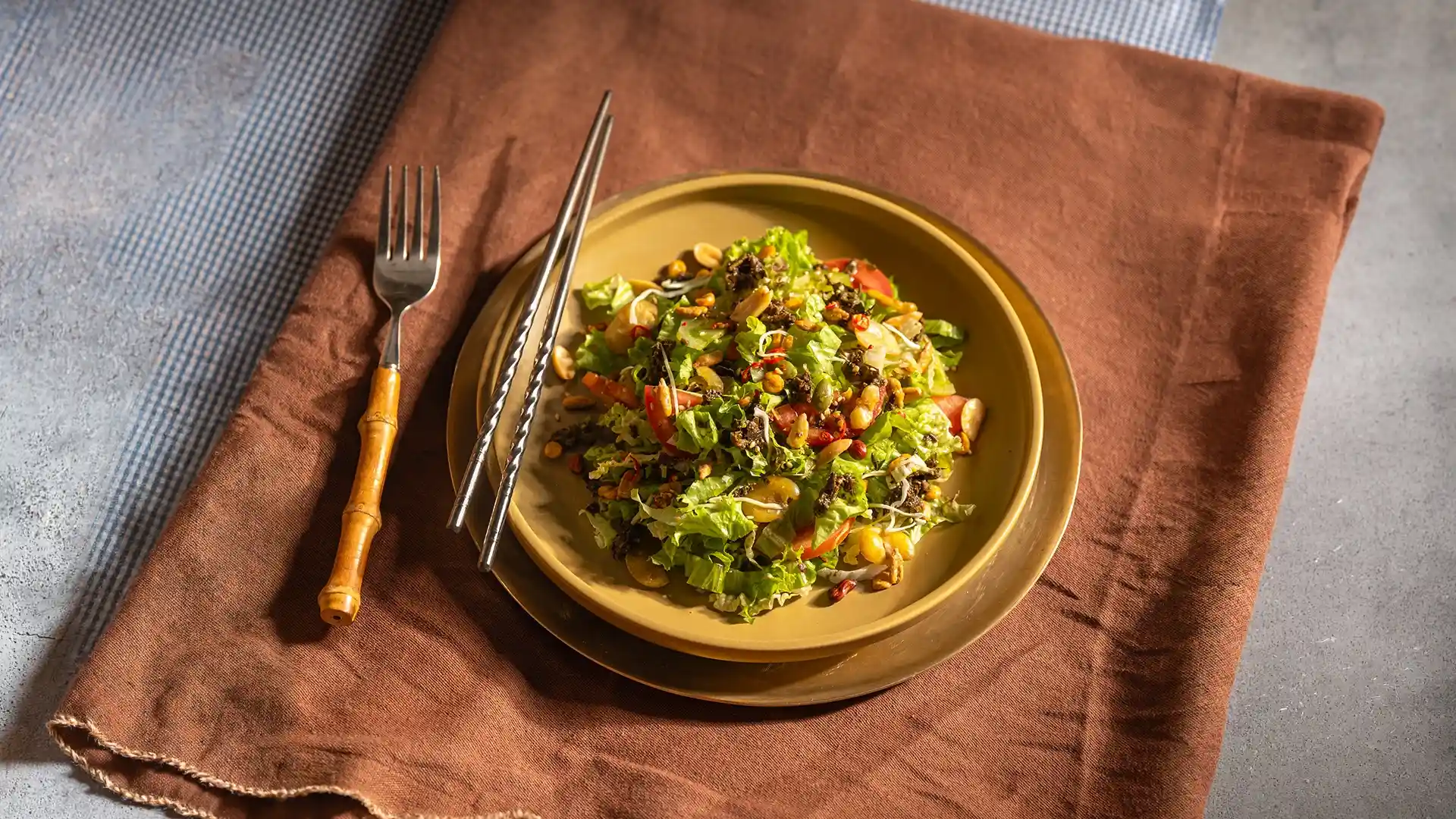
If there is one ingredient that captures the core essence of what makes Burmese salads different, it is lahpet, or the fermented tea leaves. The Burmese don’t just drink their tea. They eat it too. For Lahpet Thoke, young tea leaves are processed and fermented before being mixed with ingredients such as cabbage, tomatoes, roasted peanuts, sesame, fried garlic and other crunchy elements. Fermentation transforms the leaves. Instead of tasting simply like tea, lahpet develops a complex combination of tang, gentle bitterness and savoury depth. It becomes an ingredient with enough character to anchor an entire salad. The fermented tea leaves are mixed with fresh vegetables and a collection of roasted and fried ingredients, creating one of the most distinctive textural combinations in Burmese food. It is a good example of why the history of Burmese salads cannot be separated from techniques such as fermentation. These aren't simply modern additions designed to make a dish interesting. They are part of a longer food tradition in which preservation, seasonality and flavour-building have always played a role.
How Do Burmese Salads Differ From The Popular Asian Salads?
There are obvious points of connection between Burmese and Thai salads. Both cuisines make generous use of fresh herbs, chillies, citrus and contrasting flavours. But the construction can be quite different. Thai salads often lean into a sharp interplay of sweet, sour, salty and spicy, with fresh herbs and aromatics creating much of the character. Burmese salads can certainly be tangy and spicy too, but they often bring fermented, roasted and fried elements much further forward. Take Lahpet Thoke. The tea leaves themselves provide a fermented base, while fried garlic, peanuts and sesame add roasted depth and crunch. So when considering Burmese salads vs Thai salads, the distinction isn't simply about which ingredients each cuisine uses. It's about what happens when those ingredients come together. Thai salads can make freshness and a punchy dressing the centre of attention. Burmese salads often make the mix itself the centre of attention.
Vietnamese salads and fresh mixed dishes also place a strong emphasis on herbs, vegetables, acidity and texture. But there is a different rhythm to Burmese salads. Vietnamese preparations often use fresh herbs and crisp vegetables to create a light, aromatic balance, with dressings bringing the components together. Burmese salads can be more layered in their use of fermented, toasted and fried ingredients. A Burmese bowl might pair something fresh with something fermented, then add roasted peanuts, fried garlic or sesame for crunch. The ingredients aren't simply there to accompany one another; they are deliberately chosen to create different sensations in the same bite. This makes the comparison between Burmese salads vs Vietnamese salads particularly interesting. While both cuisines understand the importance of freshness and contrast, Burmese salads simply add another dimension through fermentation and the generous use of roasted and fried elements.
East Asian cuisine has a long tradition of cold and dressed dishes, from chilled vegetables to tofu and other preparations served at room temperature or cold. But these dishes don't necessarily serve the same role as Burmese thoke. Many East Asian cold dishes are about seasoning and preparation, a particular ingredient carefully dressed with aromatics, chilli oil, vinegar, sesame or other sauces. Burmese salads tend to be more about bringing multiple components together. Tofu or tohu, vegetables, herbs, roasted ingredients and seasonings can all meet in one bowl, with texture playing as important role as flavour. There is also a strong culture of mixing and sharing around Burmese salads. The dish becomes part of the table rather than simply a cold preparation served alongside it.
What Kinds of Salads Are Part of Burmese Food Culture?
Lahpet Thoke: The Salad That Started With Tea
Lahpet Thoke or Tea Leaf Salad is perhaps the clearest example of Burmese salad philosophy. Fermented tea leaves meet cabbage, tomatoes, peanuts, sesame, fried garlic and other crunchy ingredients. Every mouthful has something different going on: tangy, nutty, crisp, fresh and deeply savoury. It is also a dish with cultural significance, with lahpet traditionally associated with hospitality, social gatherings and important occasions.
Ginger Salad: Freshness With a Little Heat
Ginger salad brings another side of thoke to the table. Fresh ginger is paired with crunchy ingredients and seasonings to create a salad that is bright, aromatic and warming at the same time. It's a reminder that Burmese salads don't always need a large number of ingredients to create complexity. Sometimes, the character of one ingredient can lead the dish.
Tomato Salad: Simple Ingredients, Layered Texture
Tomatoes might sound like an obvious salad ingredient, but Burmese tomato salad takes the idea beyond simply slicing tomatoes and dressing them. Tomatoes are combined with aromatics, roasted ingredients and crunchy additions, allowing their natural acidity and juiciness to play against toasted and savoury flavours.
Burmese Noodle Salad: When a Salad Becomes a Meal
Then there are noodle salads, where noodles become the base for a much more substantial bowl. Rice noodles can be combined with vegetables, herbs, tofu or tohu and a range of seasonings and crunchy toppings. It's another example of how flexible thoke can be. Salad doesn't have to mean something light on the side. It can be the centre of the plate.
Is Salad an Important Part of Burmese Cuisine?
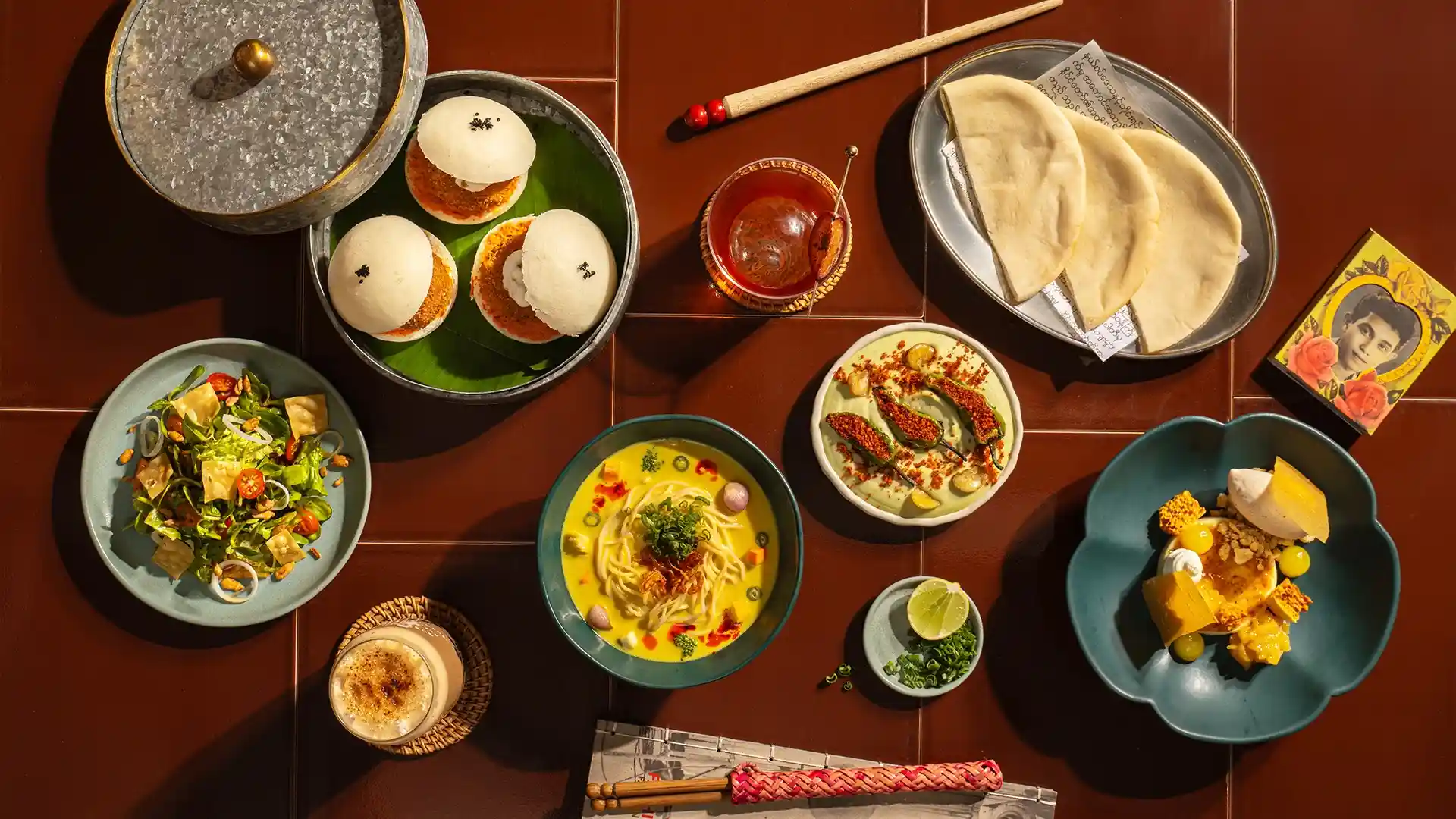
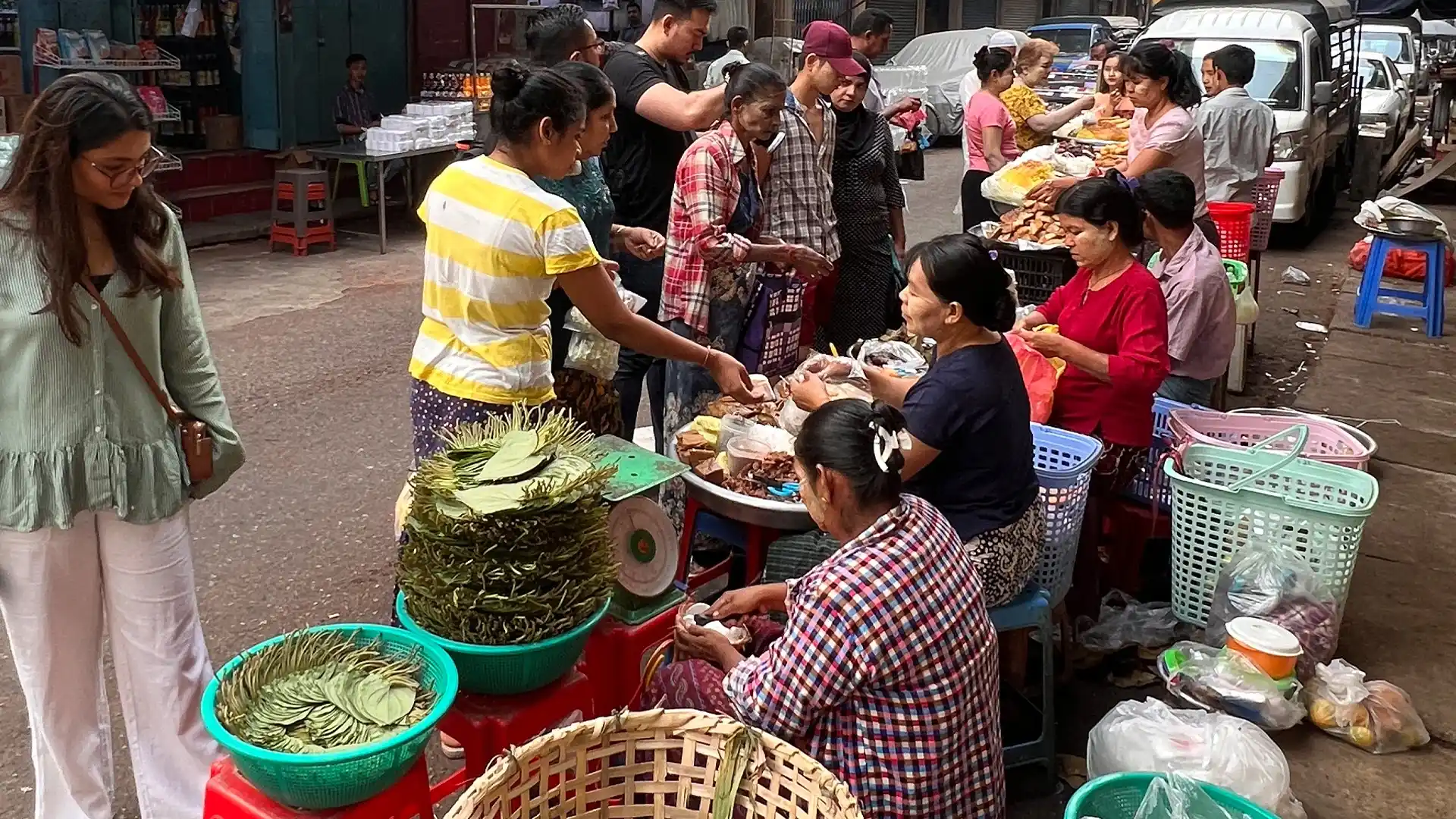
Salads are an important part of Burmese cuisine but perhaps not in the way we usually think about the word “salad”. In Burmese food culture, salads can sit alongside curries, rice and other dishes as part of a shared meal. They can also appear as snacks, tea-shop food or everyday preparations. That makes them social food as much as culinary food.
This is also where Burmese salads connect to a larger idea within Burmese food: a meal is rarely about one dish in isolation. It's about the conversation between dishes and the conversation around the table.
FAQs
What is Burmese salad culture?
Burmese salad culture centres around thoke, a broad tradition of mixing ingredients together rather than simply dressing raw vegetables. Burmese salads can include fresh vegetables, noodles, herbs, fermented ingredients, roasted nuts, seeds and fried toppings, and are commonly enjoyed as part of shared meals.
Why are Burmese salads unique?
Burmese salads are distinctive for their combination of fermentation, contrasting textures and layered ingredients. Fermented tea leaves, roasted peanuts, sesame seeds, fried garlic and fresh vegetables can come together in the same dish, creating a balance of tangy, savoury, fresh and crunchy elements.
What ingredients are traditionally used in Burmese salads?
Common ingredients include vegetables, fermented tea leaves, peanuts, sesame seeds, fried garlic, chickpea flour, herbs, chilli and citrus. Tofu or tohu can also be used in some salads, while different regions and families have their own combinations and preparations.
How do Burmese salads differ from Thai salads?
Both traditions use fresh herbs, chilli and acidic flavours, but Burmese salads are particularly known for fermented ingredients and the use of roasted and fried elements for texture. Lahpet Thoke, for example, combines fermented tea leaves with peanuts, sesame, fried garlic and fresh vegetables.
How does fermentation feature in Burmese salads?
Fermentation is especially important in Lahpet Thoke, where tea leaves are fermented before being mixed with fresh vegetables and crunchy toppings. The process gives lahpet a distinctive tangy, earthy and gently bitter character that becomes the foundation of the salad.