Kala Ghoda Heritage Walk: Tracing Burma Through Mumbai
From Burmese teak to a century-old building that became our first home, discovering the unexpected ways Burma found its way into the heart of Mumbai.
by
Team Burma Burma
We went looking for Burma in Kala Ghoda and found it in the most unexpected corners of the neighbourhood.
What began as a simple question—how did Burmese teak become part of Mumbai's heritage?—turned into a journey through 12 of Kala Ghoda's most storied buildings, from the David Sassoon Library to Esplanade Mansion and Knesset Eliyahoo Synagogue. Along the way, we discovered that the connection between Burma and Mumbai runs deeper than we imagined. Our relationship with Burma has always made us curious about the many ways its history, people, craftsmanship and traditions have travelled beyond its borders. Sometimes, these connections are obvious. Sometimes, you have to look a little closer.
Our recent Kala Ghoda Heritage Walk, created in collaboration with <hyperlink website: The Heritage Project>, was an invitation to do exactly that. And what we found was a remarkable thread connecting two places we hold close: Burma and Mumbai.
The Story Begins With Wood
Before we set out through Kala Ghoda, we began with a material that has shaped some of Mumbai's most recognisable heritage buildings: Burma teak. For generations, teak from Burma was prized for its durability, strength and natural resistance. It travelled across the seas and found its way into buildings, homes and institutions across colonial Bombay.
In Kala Ghoda, traces of that history remain to this day. Sometimes in grand staircases and wooden balconies. Sometimes in doors, windows and intricate details that can easily be overlooked when you're busy taking in the architecture around them. Our walk followed these traces through the neighbourhood, turning a familiar part of South Mumbai into a different kind of map.
One where Burma was hiding in plain sight.
Twelve Stops, Many Stories
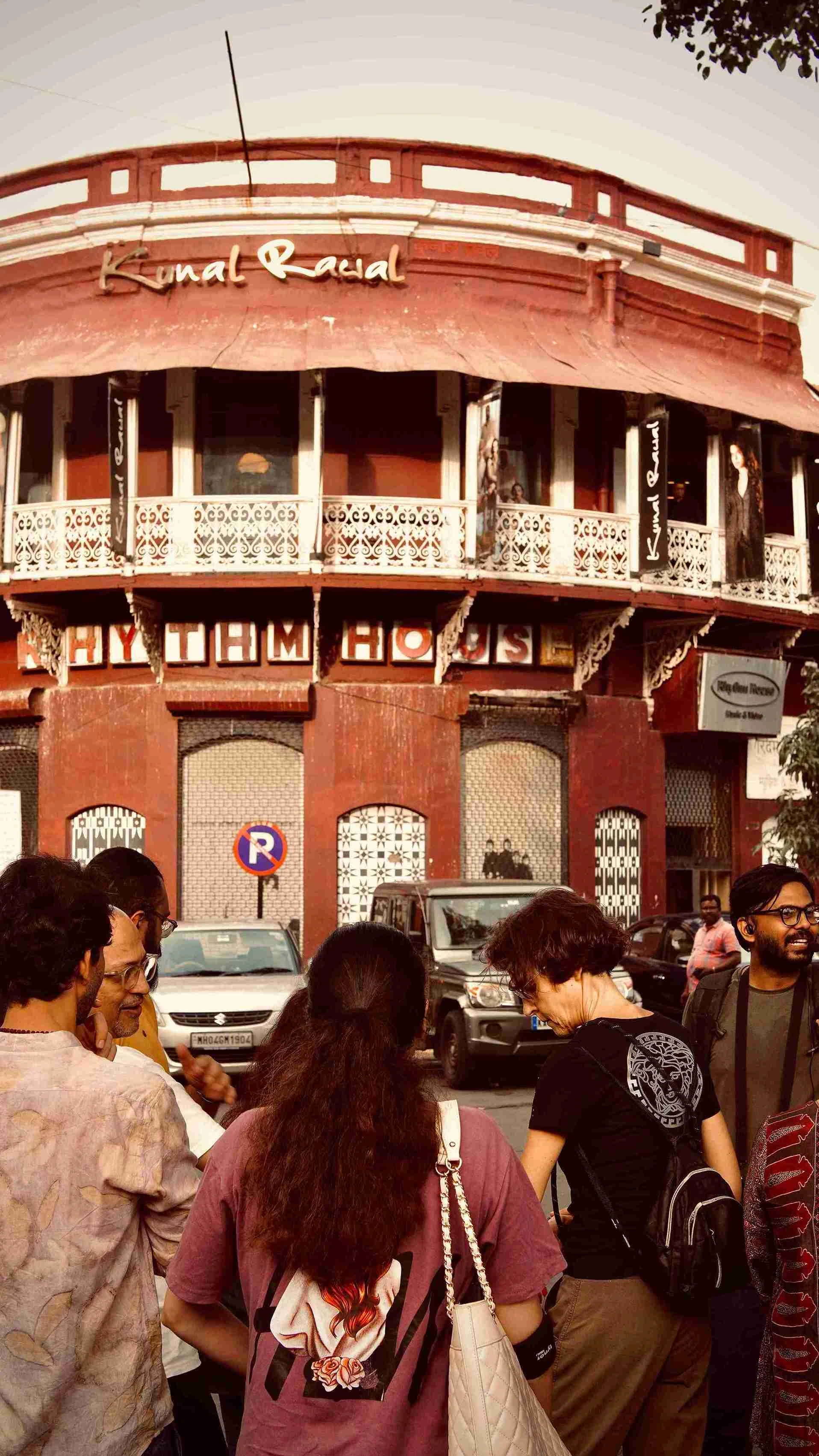
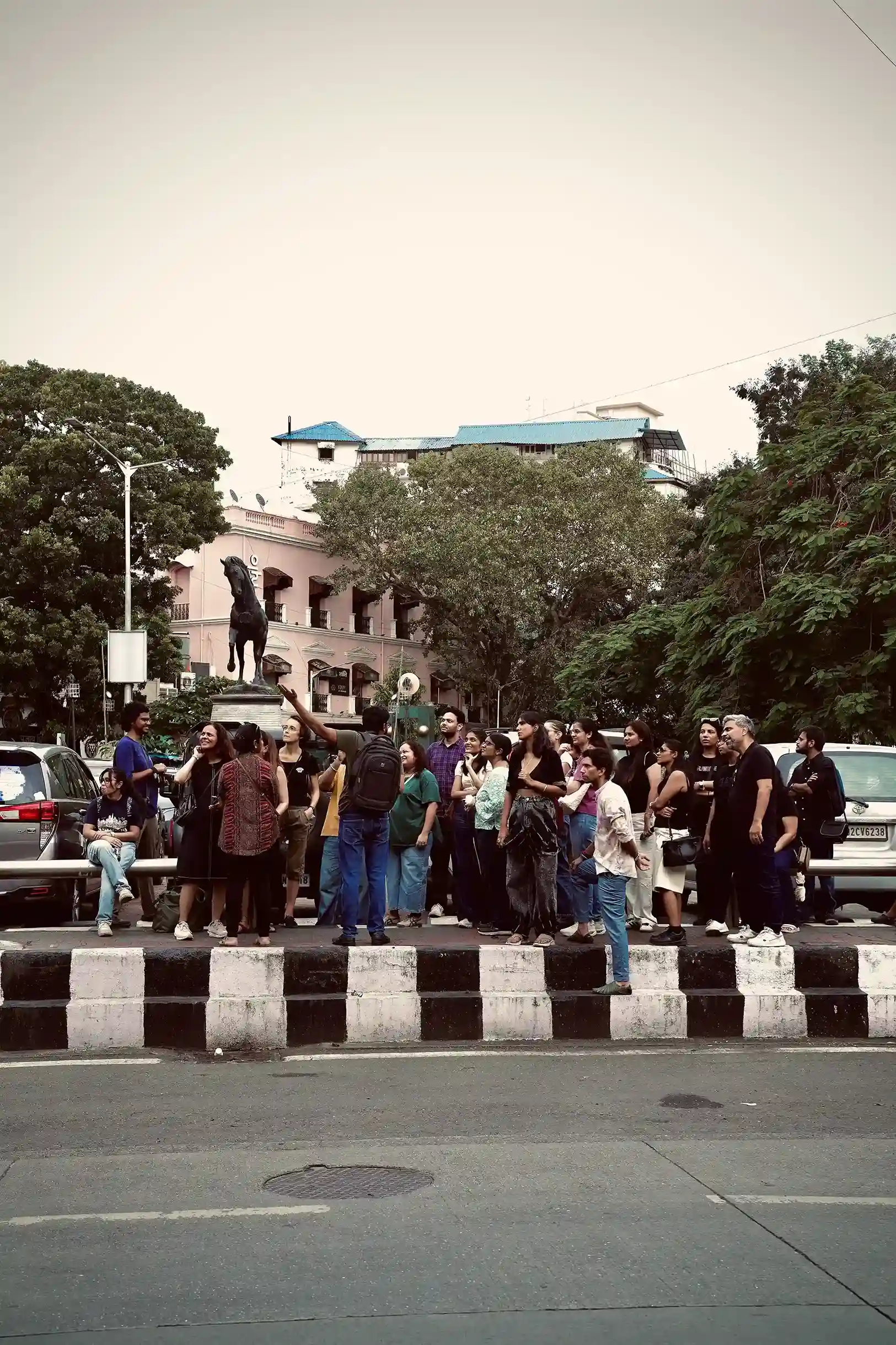
Over the course of the walk, we followed Burma teak through twelve stops, each revealing a different side of Kala Ghoda's history.
We began at the Jehangir Art Gallery, before making our way to the David Sassoon Library, where generations of readers have gathered beneath its beautiful wooden details. From there, the grandeur of the Army & Navy Building and the storied Esplanade Mansion offered a glimpse into the scale and ambition of old Bombay. At the Anita Dongre store, we paused to look at how heritage buildings can be given a new life while retaining the craft that makes them special. The Rhythm Building brought us to a quieter corner of the neighbourhood, before we stopped by Punjab Grill and Chetana Book Store, where the story moved beyond architecture and into the people and businesses that have given Kala Ghoda its character over the years.
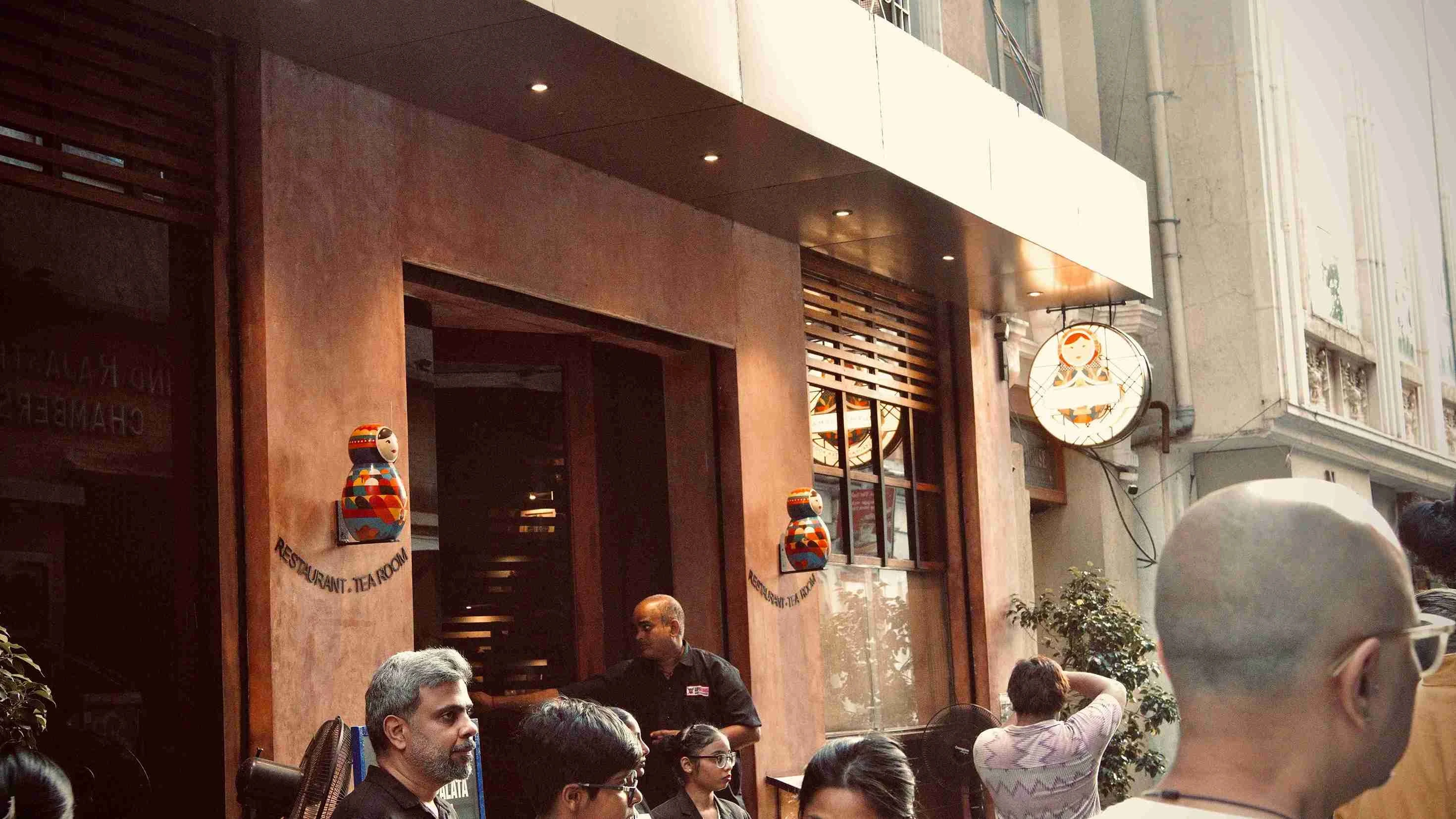
We continued to Arjan Duggal Store, where original Burmese teak offered another reminder of the craftsmanship that has endured through the decades. At the Knesset Eliyahoo Synagogue, we found Burma in the finer details, before making our way to the Payal Khandelwal store for one last glimpse of the neighbourhood's layered architectural history before heading to our final stop - Kothari House, the building that houses our first-ever restaurant.
Twelve stops, each with its own story, but all connected by the same thread: a material that travelled from Burma and gradually became part of Mumbai’s story.
When Craft Travels, It Leaves Traces
Perhaps the most interesting part of the walk was understanding the beauty of cultural exchange and experiencing it in full grandeur.
At Burma Burma, we spend a lot of time thinking about how culture travels. We love bringing together Burmese food, art, textiles, architecture and craft in contemporary spaces across all our restaurants. The aim isn't to recreate Burma, but to understand the stories behind what we bring to our tables and spaces.
The walk reminded us that this exchange has been happening for much longer than we could ever imagine.
A Neighbourhood That Keeps Evolving
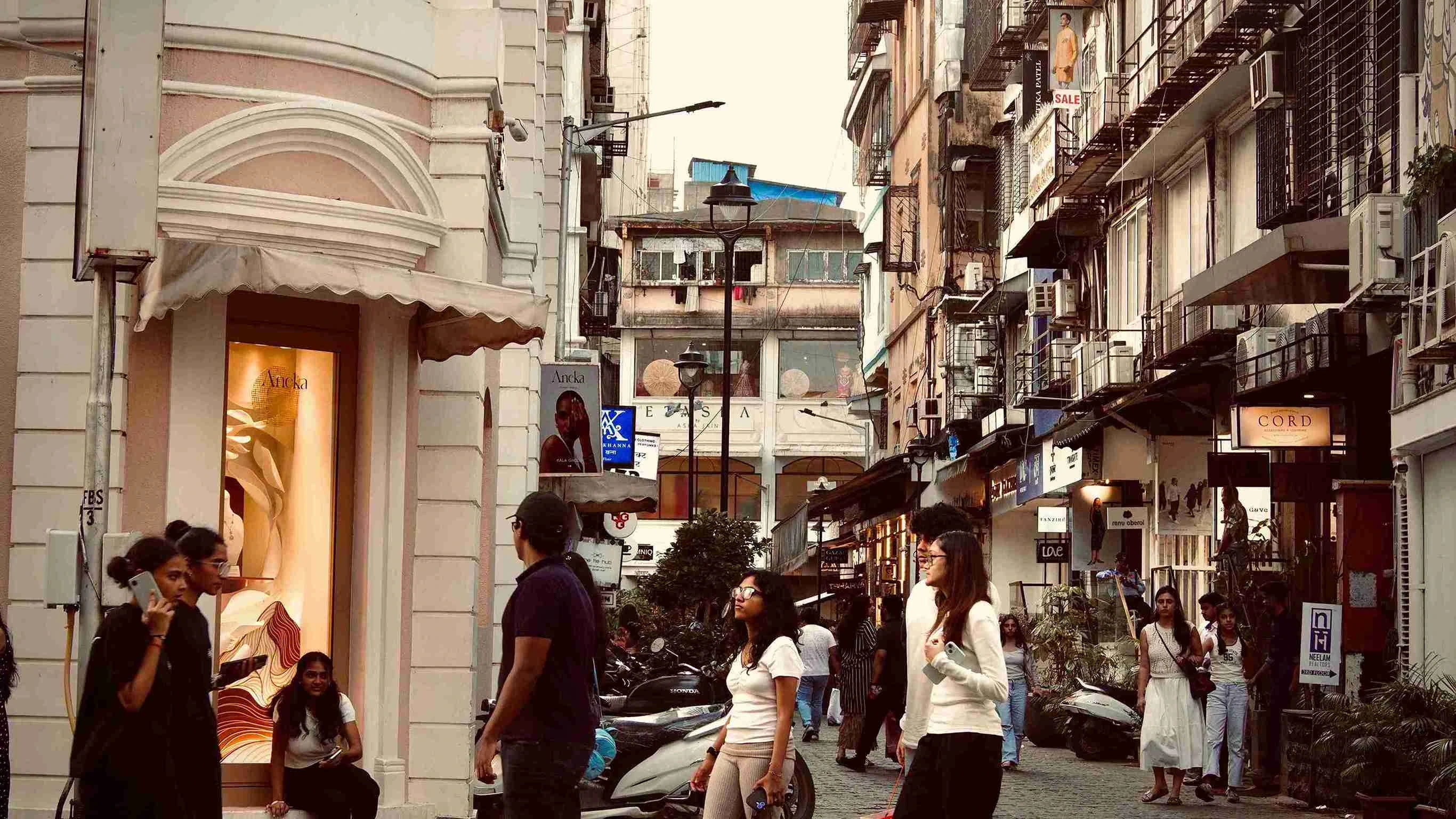
Kala Ghoda is often described through its grand heritage buildings, galleries and institutions. But walking through it also reveals something else: heritage isn't frozen in time. Buildings change hands, businesses come and go and old spaces find new purposes. Crafts and architecture are remembered, reinterpreted and sometimes rediscovered.
That's what makes a neighbourhood like Kala Ghoda so fascinating. Its history isn't something you simply look at but something that you can literally walk through.
Moving from one building to another, stopping to notice details we might otherwise have walked past, and seeing familiar streets through a completely different lens.
And Then, The Story Came Full Circle
There was one final stop that made the journey particularly meaningful for us. Kothari House, a heritage building dating back to 1910, is now home to our very first Burma Burma restaurant in Fort. In many ways, it was the perfect place to end a walk tracing Burma's presence through Mumbai.
We had spent the afternoon discovering Burmese teak in the architecture of Kala Ghoda, only to arrive at a building where our own story of bringing Burma to India began.
From Windows To Burma To A Table In Fort
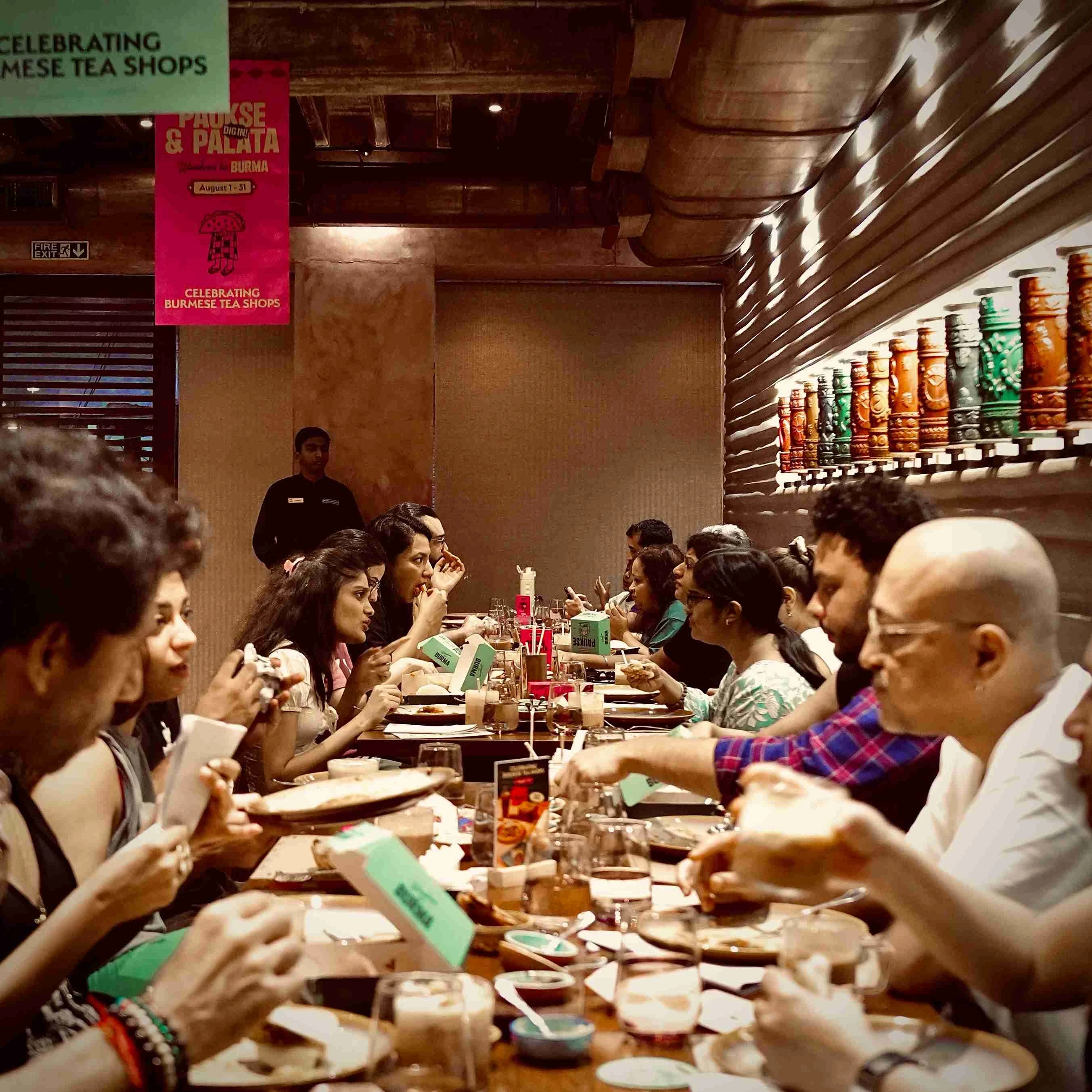
We ended the walk where we began our own journey. After tracing its presence through the neighbourhood, we gathered around a table at Burma Burma Fort to enjoy our latest limited-edition Windows To Burma: PaukSe & Palata Menu.
Flaky Palatas, fluffy PaukSes and the familiar warmth of Burmese flavours made for a fitting end to the afternoon.
The Kala Ghoda Heritage Walk was one small journey through a much bigger story, one that reminded us that sometimes, the most interesting windows to a culture are found far beyond its borders.
And sometimes, all you need to do is look a little closer.