Burmese Markets VS Regular Supermarkets: What Is The Difference?
Step into the vibrant world of Burmese markets and learn how they’re different from the rest
by
Team Burma Burma
There are markets where you go to buy what you need and then there are markets where you go to see a place come alive.
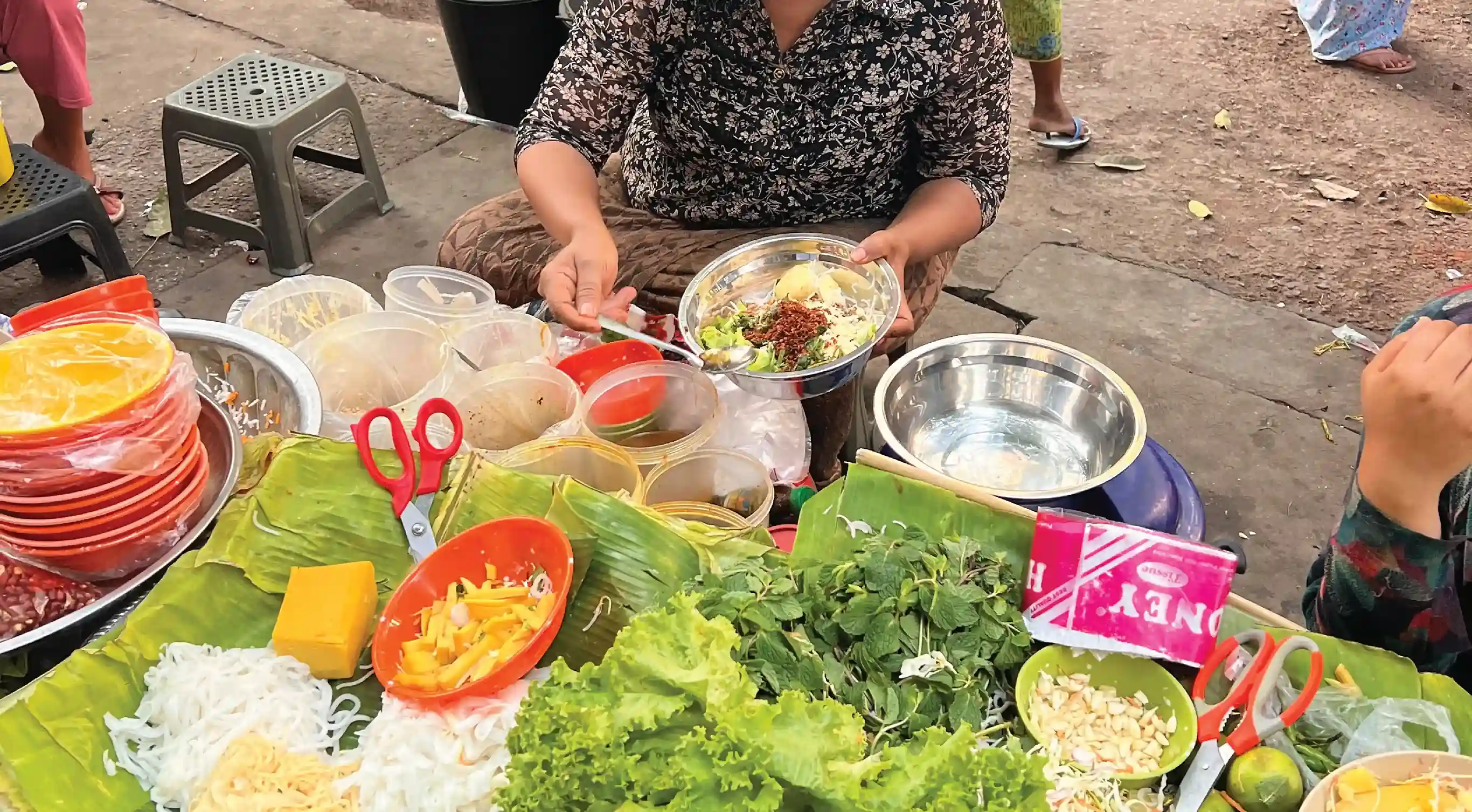
A Burmese market belongs, without a doubt, in the second category. Walk into one and you may have come looking for a handful of vegetables. But before long, you’re looking at fruits you’ve never seen before, watching a vendor scoop fermented tea leaves into a basket, passing stalls stacked with spices and pickles, and stopping to admire rows of colourful longyis. A few steps further, you’ll find lacquerware, handmade objects, household goods and perhaps a street-side stall preparing something delicious right in front of you.
These markets can be crowded, noisy and wonderfully chaotic, but look closely and there is an order to it all: the ingredients tell you what people cook, the food tells you what they crave, the textiles tell you what they wear and the crafts tell you what they make.
Where Food Shopping Begins
The first thing you’ll notice in a Burmese market is the sheer variety of food. Traditional Burmese markets are deeply connected to the way people eat every day. Seasonal fruits and vegetables arrive fresh, leafy greens are piled into generous bunches and herbs are sold ready to become part of the next meal. Then come the ingredients that make Burmese food distinctly Burmese, like the fermented tea leaves, or lahpet, tohu made from chickpeas, beans and lentils in countless forms. Fresh chillies, tamarind, pickled fruits and vegetables, sun-dried ingredients and spices and condiments that bring depth, acidity and texture to everyday dishes.
A Burmese market isn’t necessarily organised around telling you what something is or how to use it. Sometimes you simply see something, smell it, ask around about it and it becomes a part of your routine or pantry. This is what makes markets such an important part of understanding a cuisine.
Burmese Markets VS Supermarkets: A Market That Follows the Seasons
There is another thing you can read in a Burmese market: the season. The Burmese markets tell a lot about the season. The produce on display changes with what is being harvested. Tropical fruits appear in abundance when they’re at their best. Certain vegetables, herbs and leaves come and go with the weather. Pickling and fermenting are two very popular methods of preserving in Burma that allow seasonal ingredients to live beyond their moment. This relationship with seasonality is something that tends to get lost in modern grocery shopping. Supermarkets are designed to make the same products available throughout the year whereas these Burmese markets, on the other hand, let the season make an appearance. You can walk through one and immediately get a sense of what Burma is eating right now.
The Burmese Market Experience: It’s Not Just What You Eat
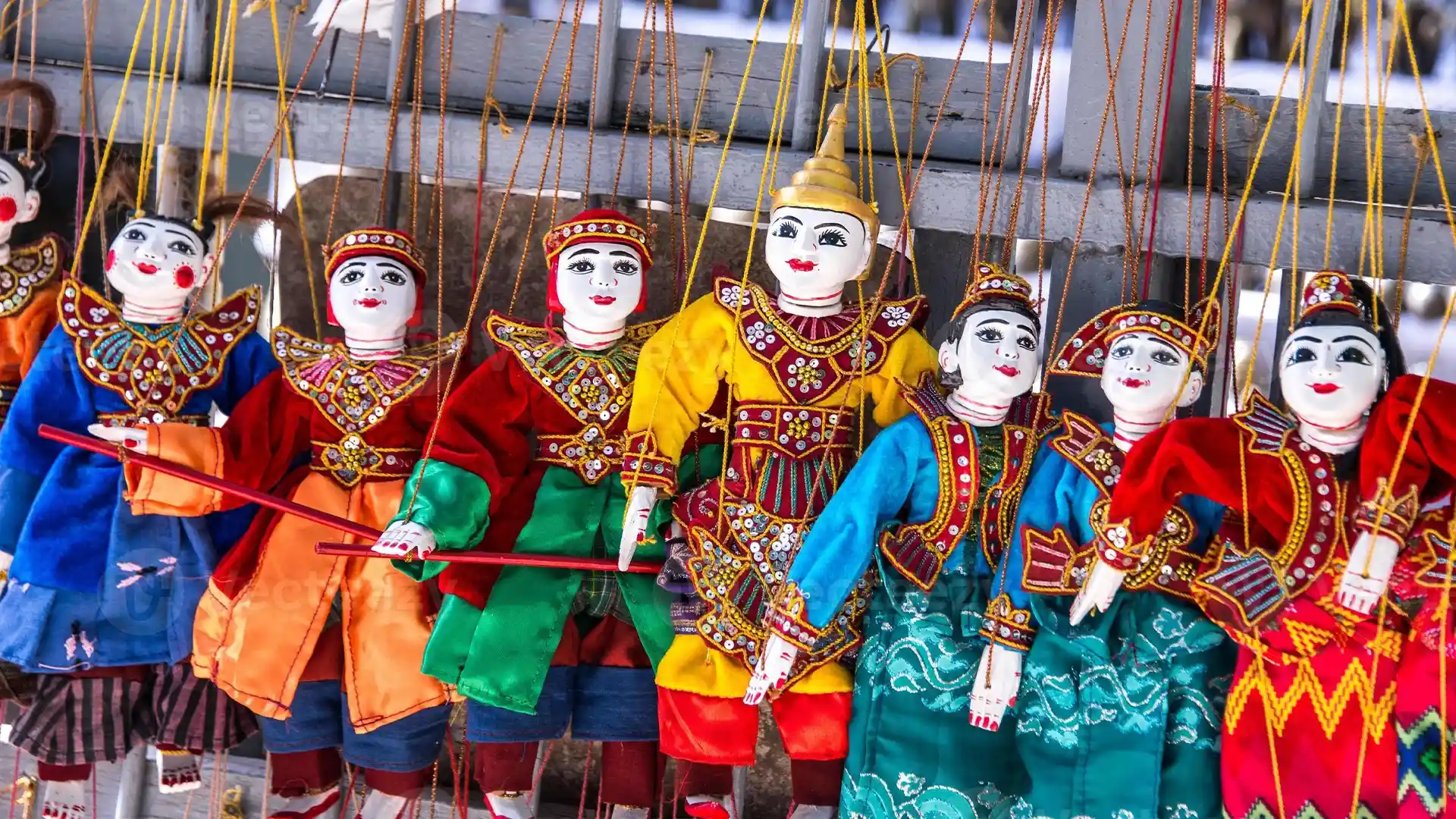
Now look beyond the food stalls. This is where a Burmese market begins to feel very different from the idea of a market in the rest of the world. Alongside vegetables and spices, you’ll find textiles, clothing, household objects and traditional crafts. One of the most recognisable is the longyi, the traditional Burmese garment worn by men and women. Walk through a textile section and you’ll see longyis in an incredible range of colours, patterns and fabrics. They aren’t simply souvenirs but a part of everyday Burmese life.
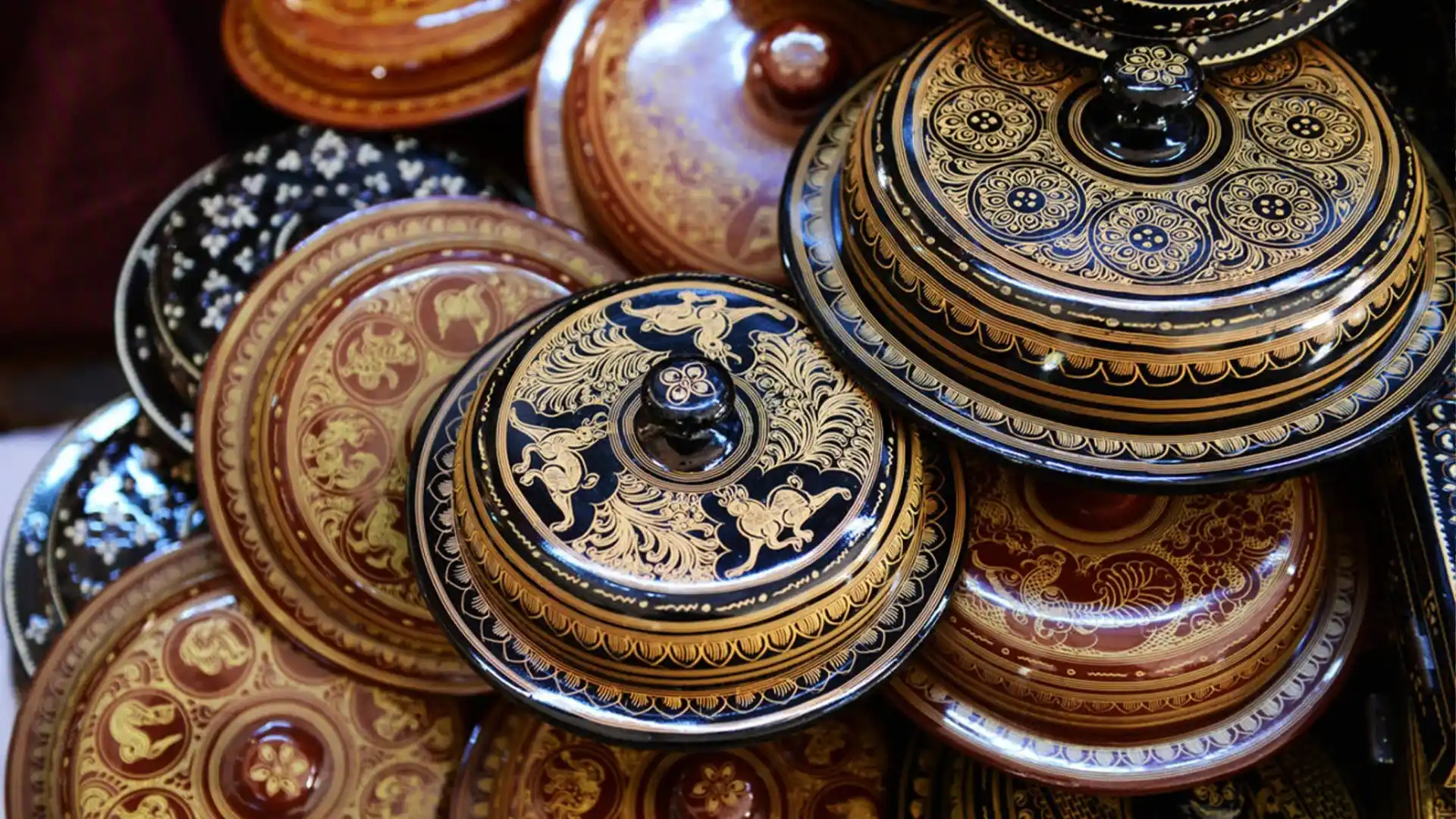
And then there is the famous Burmese lacquerware. Burmese lacquerware has a long history and is known for its intricate craftsmanship, often featuring fine painted or carved designs. Traditionally made objects can include bowls, trays, boxes and containers, turning everyday household objects into pieces of art. In a typical supermarket, you might find a shelf of household goods but in a Burmese market, you might find something that tells you about how a culture eats, dresses, creates and lives.
The Little Things Are Often the Most Interesting
Markets are full of objects that don’t necessarily make it onto a tourist’s list. A basket used to carry produce, a traditional kitchen utensil, a packet of local snacks, a handwoven textile, a jar of something fermented, a beautifully decorated lacquer box or a spice you’ve never encountered.These seemingly ordinary things are often the most revealing because culture isn’t only found in museums or monuments. It lives in the objects people use every day.
Eating Your Way Through Burmese Markets
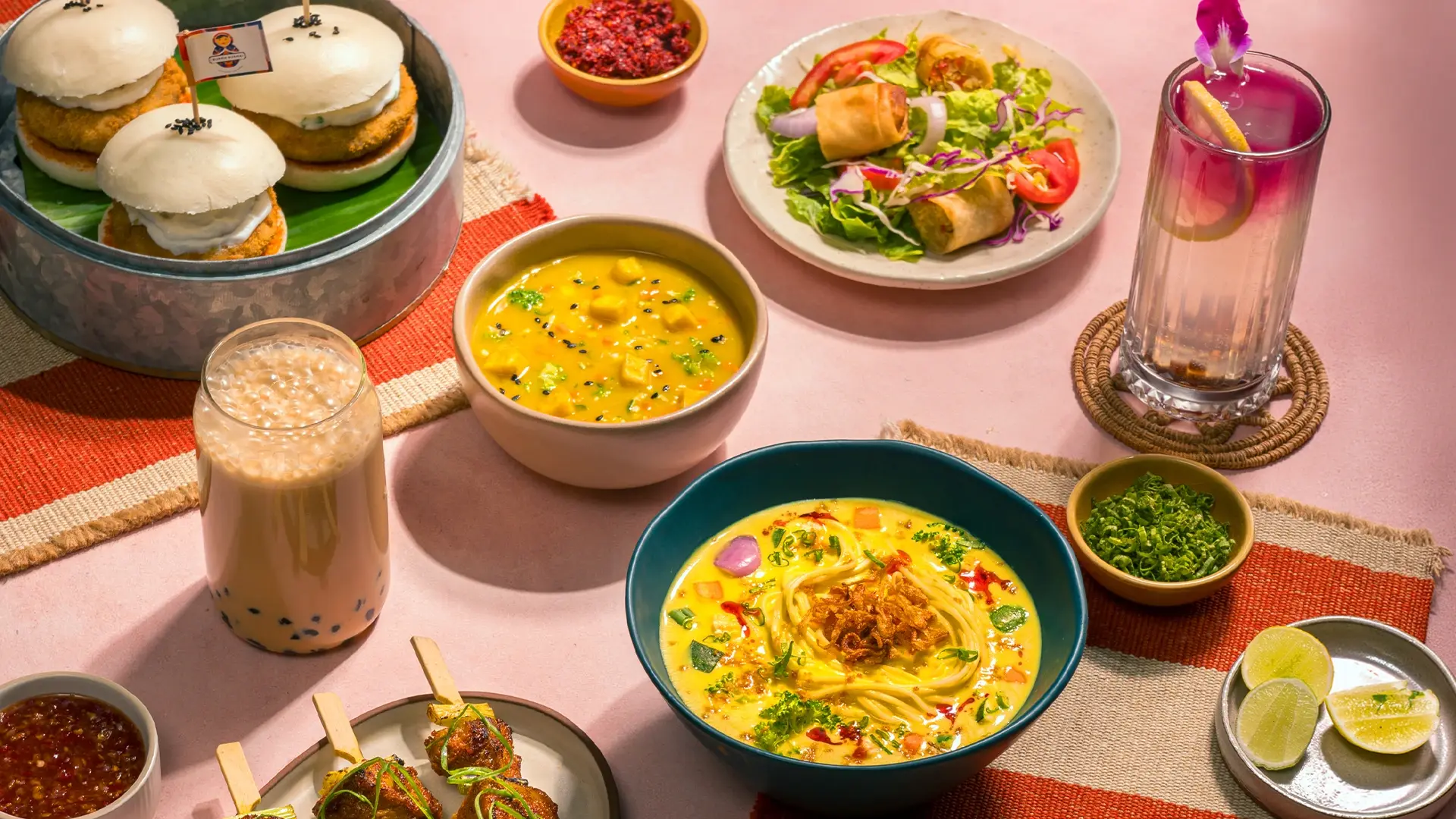
Burmese markets are full of food stalls and small vendors serving snacks and meals throughout the day. You might find Mohinga, Burma’s beloved rice noodle soup, being served in the morning. There are crispy samosas dunked in soup, noodle salads, grilled skewers, sticky rice snacks and sweets cooked fresh on the street. A market snack isn’t necessarily an elaborate affair. It might be something wrapped in a leaf, scooped into a bowl or handed to you straight off a hot griddle.
And somehow, eating it while surrounded by the sounds and smells of the market makes it taste even better.
The Burmese Market Shopping Experience
Perhaps the most memorable part of the Burmese market shopping experience isn’t any single ingredient or object. It’s the interaction.
Markets are places where vendors and customers meet every day, regulars know where to go and the vendors know what their customers like. Someone might recommend a particular fruit or explain how an unfamiliar ingredient is traditionally cooked and there is constant movement everywhere.
And if you’re visiting Burma as a traveller, this is one of the best ways to experience the country beyond the obvious landmarks. Because when you’re in a Burmese market, you aren’t just looking at Burma but you’re watching the country go about its day.
FAQ’s
What makes a Burmese market different from a regular market?
The Burmese market and supermarket difference goes beyond the way food is sold. Traditional Burmese markets bring together fresh produce, unusual local ingredients, prepared food, textiles such as longyis, traditional crafts such as lacquerware and everyday household objects. They offer a much closer look at Burmese food, culture and daily life.
What can you buy at a Burmese market?
A Burmese market offers much more than groceries. Depending on the market, you can find seasonal fruits and vegetables, herbs, spices, fermented tea leaves, pickles, beans, lentils, tofu, local snacks, clothing such as longyis, textiles, lacquerware and other traditional crafts and household objects.
Are Burmese markets cheaper than supermarkets?
Burmese Markets are often more affordable for fresh, local and seasonal produce, although prices vary by ingredient, season and location. Supermarkets may be more convenient or competitive for branded, packaged and imported products.
Can you bargain at a Burmese market?
Yes, bargaining is common at many traditional Burmese markets, particularly at independent stalls, although it isn’t appropriate everywhere. Ask the price first, bargain politely and make a reasonable offer. Fixed-price shops and supermarkets generally do not allow bargaining.
Should you visit a Burmese market when travelling in Burma?
Absolutely. For food and culture lovers, markets offer an authentic glimpse into everyday Burmese life. You can discover local ingredients, try street food, see traditional clothing and crafts such as longyis and lacquerware, and experience the sights, sounds and aromas of Burma beyond its tourist landmarks.